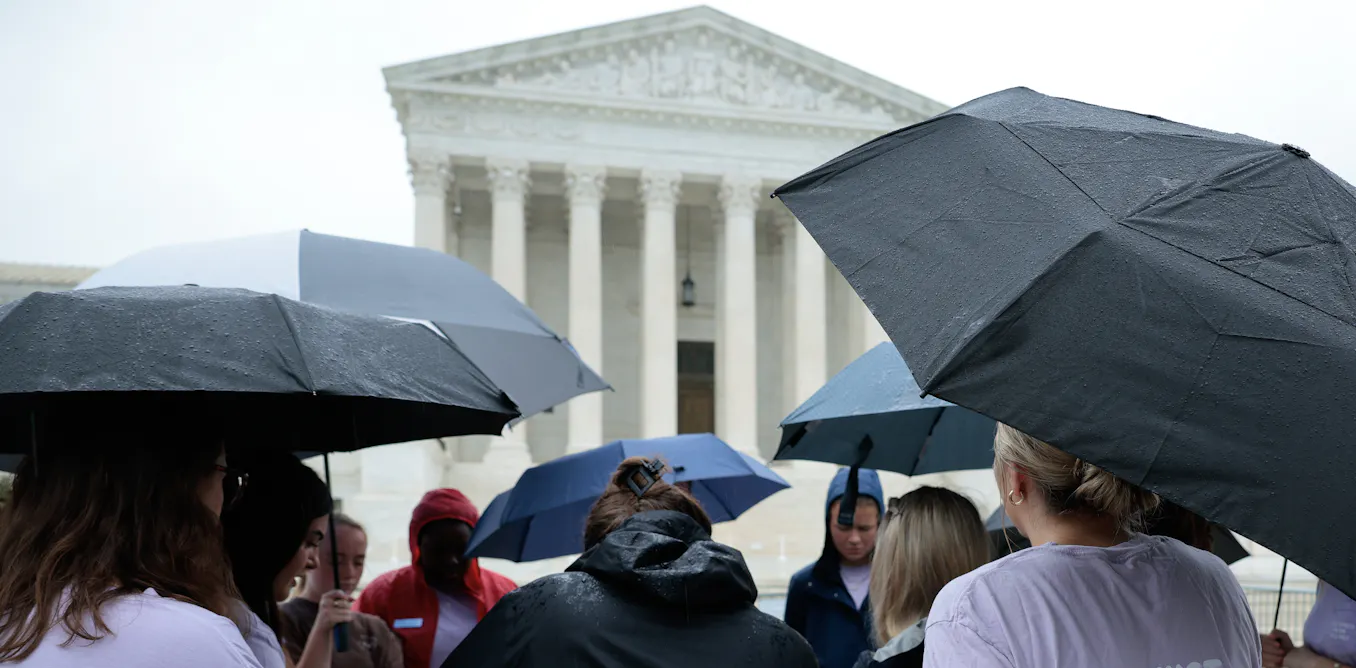
The Supreme Court follows a rigorous procedural framework that shapes how the nation's laws develop and constitutional questions get resolved. Understanding this process reveals why certain cases reach the bench while thousands of others do not.
The journey begins when litigants file petitions for a writ of certiorari, requesting the Court review their case. The Court receives roughly 7,000 to 8,000 petitions annually but accepts only 70 to 80 cases for full consideration. The justices use their discretion to select disputes that raise questions of national importance or resolve conflicting lower court decisions.
Once accepted, the case enters briefing. Both sides submit written arguments, called briefs, explaining their legal positions. Outside parties sometimes file amicus curiae briefs, offering additional perspectives. The Court's law clerks, typically recent law school graduates, summarize these materials for the justices and prepare bench memoranda analyzing the issues.
Oral arguments follow. Lawyers for each side present their case before all nine justices, who interrupt with questions. These arguments typically last one hour total, with each side receiving 30 minutes. The exchange often reveals how justices view the case's central questions.
The justices then meet in private conference to discuss the case. The Chief Justice speaks first, followed by justices in order of seniority. They vote on the outcome. The senior justice voting with the majority assigns who writes the majority opinion. Other justices may write concurring opinions agreeing with the result but offering different reasoning, or dissenting opinions arguing the majority erred.
The opinion writer circulates drafts to other chambers. Justices may change votes based on the evolving opinion language. This process continues until a final decision emerges, sometimes taking months.
The Court releases its decision publicly, typically in a 6-3, 5-4, or unanimous split. The majority opinion becomes