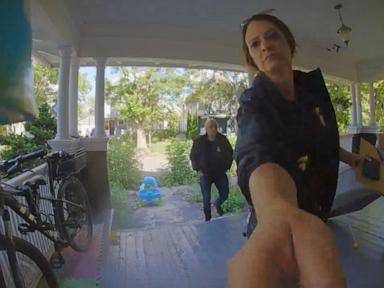
A second New York resident has reported being confronted by federal officers who delivered a warning about his online posts criticizing U.S. Immigration and Customs Enforcement.
The incident follows a similar case involving another New York resident who received a comparable warning from federal agents. Both cases raise concerns about whether Immigration and Customs Enforcement is using its authority to intimidate or chill free speech among Americans who post critical commentary about the agency online.
The pattern suggests a potential systematic approach by ICE or affiliated federal agencies to monitor and confront citizens engaged in lawful political speech. Federal law enforcement has broad investigative powers, but the First Amendment protects citizens' rights to criticize government agencies, even harshly, without legal retaliation.
The specific nature of the warnings remains unclear from available details, but such confrontations typically aim to document statements or signal federal interest in an individual's activities. Whether the warnings constitute threats or merely informational contacts affects their legal implications.
Civil liberties organizations have expressed alarm about such practices, arguing that warning citizens about protected speech can have a chilling effect on legitimate political discourse. If ICE personnel are conducting these visits without legitimate investigative cause beyond the critical speech itself, questions arise about whether the agency is overstepping constitutional boundaries.
The incidents occur amid broader debates over immigration enforcement, digital surveillance, and the balance between government authority and individual rights. The New York cases warrant scrutiny into whether federal law enforcement agencies are using informational visits as indirect pressure against political critics, and whether such practices comply with constitutional protections for free expression. Congressional oversight committees may investigate whether ICE has official protocols for these interactions and what triggers them.