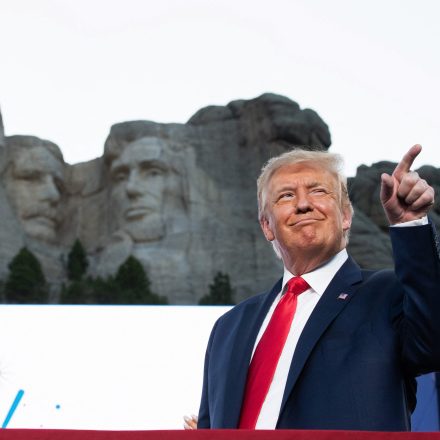
President Trump is facing criticism for his approach to American historical narratives, with critics arguing he is sanitizing the nation's past. The debate centers on how the country should reckon with its history, particularly regarding slavery, genocide, and systemic injustices.
The Intercept's framing suggests Trump's handling of historical interpretation omits uncomfortable truths about American expansion and oppression. The publication frames the conflict as one between whitewashing history and confronting it directly. This reflects a broader cultural divide over how Americans should teach and understand their past.
Trump's administration has previously signaled skepticism toward curricula emphasizing systemic racism and historical injustices. Conservative figures argue these narratives undermine American patriotism, while progressives contend honest reckoning with history strengthens democracy by building accountability.
The piece's reference to "rebellion" as a path forward suggests advocacy for active resistance against what the author views as historical erasure. This positions the debate within frameworks of historical truth versus political convenience, with governance implications for education policy, monument decisions, and curriculum standards.
At stake are fundamental questions about national identity. How America teaches its founding, westward expansion, slavery, and civil rights struggles shapes public understanding of justice, governance, and national values. Schools, museums, and federal institutions all implement policies reflecting these competing visions.
Trump's 250-year framing, coinciding with America's semiquincentennial, appears designed to promote patriotic unity rather than historical critique. Progressive critics argue this approach fails citizens by obscuring patterns of power and inequality that persist today.
The debate carries real governance weight. Federal funding for education, National Park Service interpretations, and curriculum standards reflect which historical narratives receive official endorsement. State and local governments increasingly face pressure to adopt curricula addressing systemic racism, creating friction with conservative constituencies.
This clash between historical revisionism and critical examination represents a core 2025