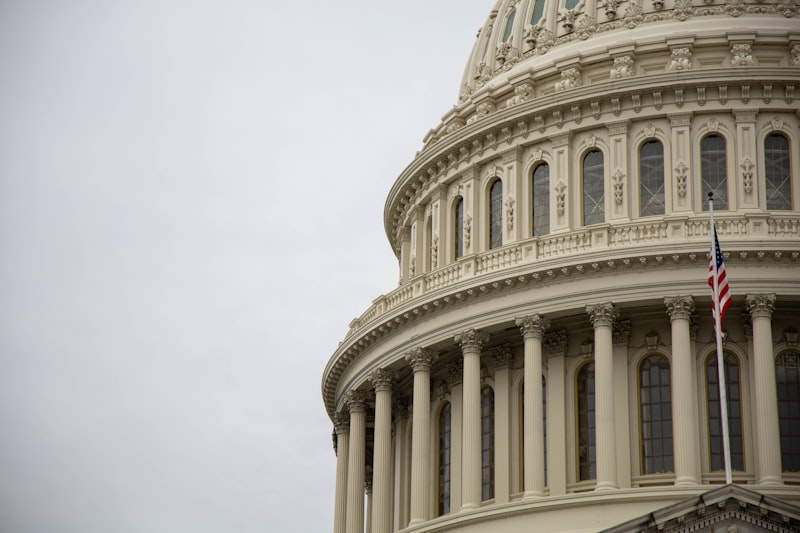
The nation marks a moment of reflection on its founding principles and future direction. This framing invokes the 1776 founding era, contrasting the Founders' achievements despite severe technological and material constraints with contemporary America's vastly expanded capabilities.
The rhetorical argument suggests that modern Americans possess greater resources, knowledge, and tools than the Founders possessed, yet face questions about whether they will deploy them effectively. The piece implies that the burden of stewardship now rests on present and future generations to build upon—or transform—what the original architects constructed.
This type of framework often accompanies broader national conversations about governance, constitutional interpretation, and the role of government in solving contemporary problems. It typically emerges during periods of political debate over spending, infrastructure, social policy, or America's role globally.
The piece positions the American project not as a completed work but as an ongoing enterprise. This contrasts with more static readings of the Constitution and founding documents. The invocation of the 250-year mark reflects anniversary framing, placing readers at a generational inflection point where choices made now will echo across decades.
The appeal to the Founders' accomplishments under resource constraints serves as implicit justification for ambitious governance today. If eighteenth-century leaders built enduring institutions with limited tools, the argument runs, twenty-first-century leaders should be capable of addressing modern challenges with superior resources at their disposal.
This narrative strategy avoids partisan specificity in favor of unifying language about national purpose and collective responsibility. It calls Americans to view themselves as heirs to a legacy with obligations attached. The tone suggests neither nostalgia nor rejection of founding principles, but rather stewardship and deliberate choice about how the American experiment evolves.
The piece leaves open what "comes next" entails. Different political movements will interpret that differently. Progressives may read it as endorsement of expansive reform. Conservatives may read it