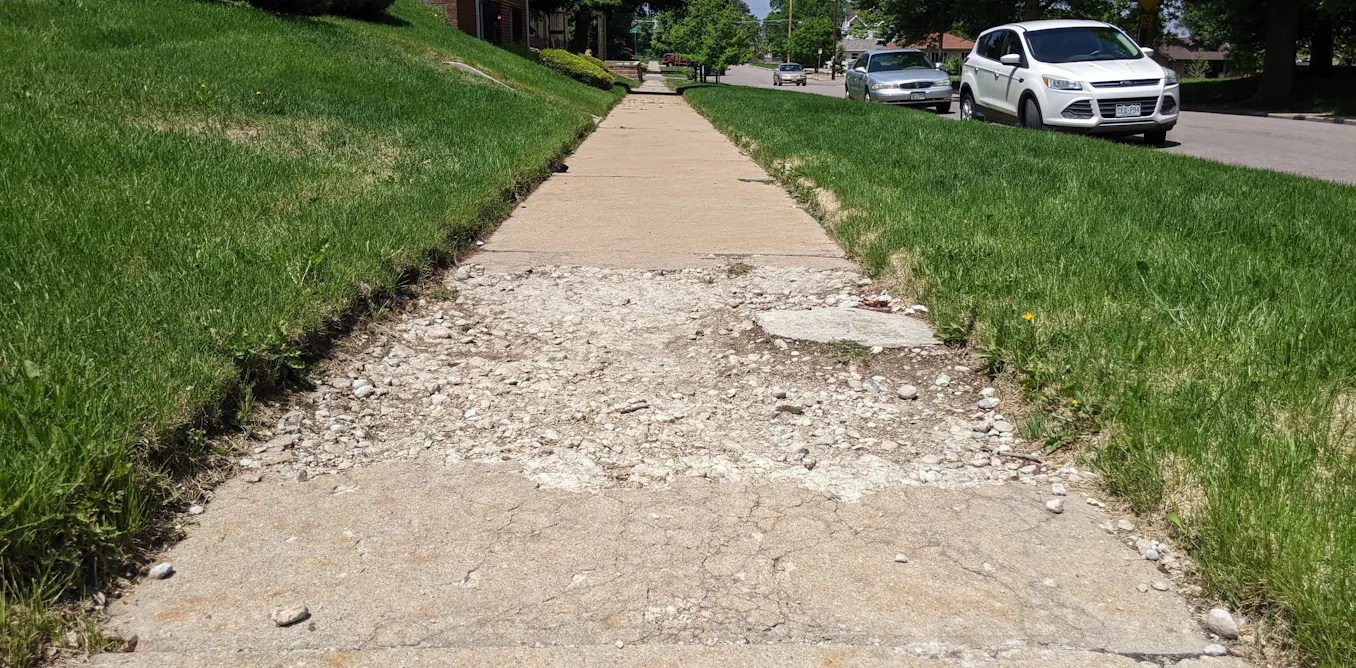
Denver has shifted sidewalk maintenance from property owners to the city government through new legislation establishing a municipal sidewalk program. The ordinance transfers responsibility for building, repairing, and maintaining sidewalks from individual homeowners to Denver's public works department.
Previously, Denver operated under a system where property owners bore legal liability for sidewalk conditions on their land. This created inconsistent maintenance across neighborhoods, with wealthier areas generally maintaining better walkways while lower-income communities fell behind. The patchwork approach also increased injury liability for homeowners and created barriers to pedestrian accessibility.
The new program addresses equity gaps in city infrastructure. Municipal control ensures standardized maintenance schedules and uniform repair standards across all neighborhoods regardless of property owner wealth or resources. This approach reduces the financial burden on individual homeowners, particularly those with limited incomes who struggled to afford repairs.
Denver's legislation reflects a broader national trend. Many cities have historically relied on private property owners to maintain public walkways, a practice that often disadvantaged renters and low-income residents. Some municipalities have moved toward public responsibility models, recognizing that sidewalk infrastructure serves the entire community and benefits from centralized management.
The program generates revenue through property tax funding rather than individual assessments. This pooled funding model spreads costs across the entire tax base while ensuring consistent infrastructure investment. The city can also coordinate repairs more efficiently, reducing duplicative work and improving project management.
Other cities studying sidewalk policy can learn from Denver's experience. Shifting maintenance responsibility to municipalities improves equity, standardizes service delivery, and removes barriers for property owners. The approach particularly benefits aging residents, renters, and owners with limited resources who previously faced financial pressure to maintain public pathways.
Denver's ordinance demonstrates that treating sidewalks as public infrastructure rather than private responsibility produces better outcomes for urban mobility, accessibility, and equity.