# Summary
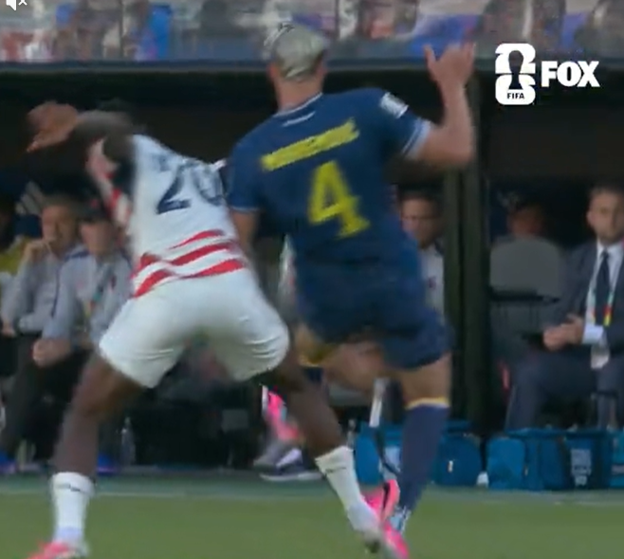
A legal expert with judicial experience has challenged the World Cup red card issued to Balogun, arguing the referee's decision violated the sport's own rules. The analysis, published in Reason, examines the match incident frame-by-frame and concludes the official application of the Laws of the Game was flawed.
The lawyer-turned-commentator identifies specific violations in how the referee interpreted contact and intent during the play. Red cards in soccer require either violent conduct or serious foul play, both narrowly defined under FIFA regulations. The expert argues the incident met neither threshold based on the actual sequence of events and player positioning.
This critique matters beyond one match. Referee decisions shape World Cup outcomes, affecting which national teams advance and ultimately win the tournament. When officiating contradicts the sport's written rules, it undermines both the legitimacy of results and the integrity of the competition itself.
The red card presumably forced Balogun's team to play with reduced numbers for the remainder of the match, creating tactical disadvantages that likely influenced the final score. Depending on the tournament stage, a single elimination or group-stage result can derail a nation's entire campaign.
The piece uses the expertise of someone trained in legal argumentation and judicial reasoning, lending credibility to the technical breakdown. Courts interpret written rules for a living; the same analytical framework applies to FIFA's Laws of the Game. The author demonstrates how the referee deviated from established standards without justification.
This contributes to an ongoing debate about referee training, video review protocols, and whether technology should override on-field judgment in critical moments. Major tournaments continue grappling with these questions as the sport evolves.