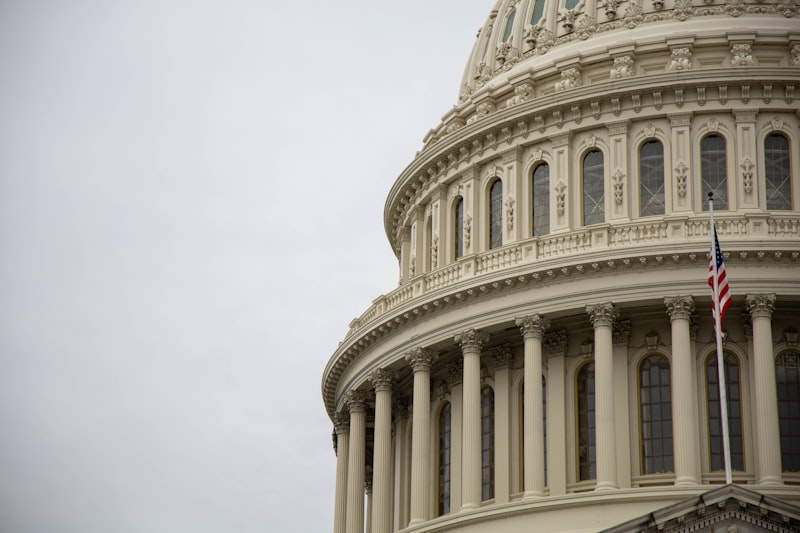
The Second Continental Congress met 250 years ago to declare independence from British rule and establish a new nation. That body produced the Declaration of Independence, drafted primarily by Thomas Jefferson. Today's U.S. Congress descends directly from that historic assembly.
Modern lawmakers face a question about institutional fidelity. Does Congress today honor the aspirations of the founders who gathered in Philadelphia? The legislative branch sits at the center of American democracy, designed as a check against executive power and a voice for the people's interests.
Contemporary challenges test this premise. Congress struggles with partisan gridlock that hampers legislation. Budget deadlines arrive with threats of government shutdowns. Judicial nominations and appointments trigger fierce battles between parties. Committee work has declined as floor votes dominate the legislative calendar. Members spend increasing time fundraising rather than legislating or constituent service.
The founders envisioned Congress as a deliberative body where diverse interests would clash and compromise. They believed legislators would prioritize the public good over faction and party. Madison warned against "the mischief of faction" in the Federalist Papers, expressing faith that institutions could channel competing interests productively.
NPR's inquiry into this legacy arrives at a moment when trust in Congress remains historically low. Approval ratings hover in the teens and twenties. Americans question whether their representatives serve them or special interests. The legislative process has become opaque to many citizens. Omnibus spending bills thousands of pages long pass with minimal debate.
Yet Congress retains structural powers the founders intended. It controls the federal budget. It declares war. It can impeach presidents and judges. These powers remain in legislative hands, even as partisan divisions limit their effective use.
The anniversary moment prompts reflection on whether modern Congress captures the spirit of its predecessor. The Second Continental Congress united thirteen colonies behind a revolutionary cause. Today's Congress represents a nation of 330 million across vastly different circumstances. Partisan polarization divides