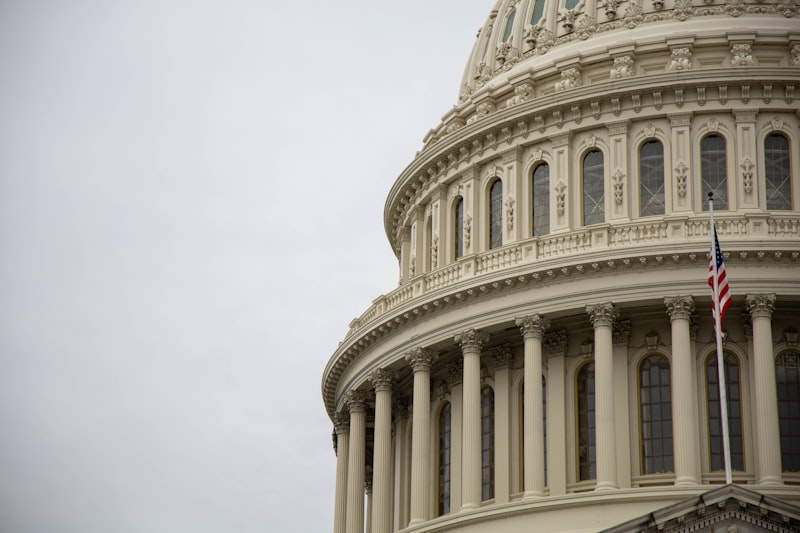
Democrats enter the 2024 midterm cycle facing an internal challenge that could undermine their path to reclaiming House control. Party infighting threatens to fracture the coalition needed to flip the chamber, according to NPR Politics.
The Democratic caucus faces divisions on multiple fronts. Moderate and progressive wings clash over spending priorities, with moderates emphasizing fiscal restraint while progressives push for aggressive social investments. Leadership disputes over messaging and candidate recruitment have also surfaced, with some members questioning whether the party machine backs their campaigns adequately.
These fractures arrive at a critical moment. Democrats need to flip a net five seats to win the House majority. Historically, the party holding the White House loses seats in midterm elections. Infighting amplifies this structural disadvantage by draining resources, discouraging donors, and confusing voters about what Democrats actually stand for.
The stakes extend beyond House control. A unified Democratic message could help offset historic headwinds. Instead, party members air grievances publicly, hand opponents ammunition, and create openings for Republicans to exploit divisions. Some progressives feel sidelined by leadership decisions. Some moderates worry progressives will drag candidates too far left in competitive districts.
Leadership faces pressure to enforce party discipline without appearing heavy-handed. Speaker Hakeem Jeffries and other senior Democrats must balance giving members voice while maintaining focus on the core objective. Recent examples show how internal conflicts can derail campaigns. When candidates receive mixed signals from national party committees, fundraising suffers and voter contact drops.
Democrats benefit from favorable conditions in some quarters. Abortion rights motivate suburban voters, particularly women. Economic messaging resonates in key districts. But these advantages evaporate if Democrats spend the cycle battling themselves.
The party must navigate genuine ideological differences without letting them calcify into permanent divisions. Candidates in swing districts need flexibility to position themselves according to local conditions, while progress