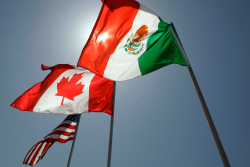
Donald Trump has reversed his position on the USMCA, the trade deal he championed as a replacement for NAFTA during his first term. The president now opposes the agreement he negotiated and claimed as a signature achievement in 2020.
Trump secured the USMCA's passage in late 2018 as a centerpiece of his trade agenda. He marketed the deal as tougher on China, better for American workers, and an improvement over the decades-old NAFTA framework. Congressional Democrats and Republicans both supported ratification, and the agreement took effect July 1, 2020, just months before Trump left office.
The reversal carries substantial political weight. Trump's pivot undermines one of his most tangible legislative accomplishments. It also creates complications for Republican messaging on trade, since GOP figures spent years defending the USMCA against progressive criticism. Democratic opponents had argued the deal didn't go far enough on labor and environmental protections.
His turnaround likely reflects changing political calculations heading into 2024. Trump may view USMCA criticism from his party's right flank, particularly regarding China competition, as worth heeding. His trade posture has grown more aggressive, with recent calls for sweeping tariffs across multiple sectors and trading partners.
The move also complicates relations with Canada and Mexico. Both countries remain dependent on the USMCA framework for trade stability. Canadian officials and Mexican business groups have invested in compliance systems based on the deal's terms. Abandoning or renegotiating the agreement creates uncertainty for continental supply chains.
Congressional action would be required to formally withdraw from or substantially alter USMCA terms. That process involves lengthier negotiations than Trump's unilateral trade actions. Republican leaders face pressure to either support his renegotiation demand or defend the deal they previously backed.
Trump's reversal demonstrates his willingness to discard prior