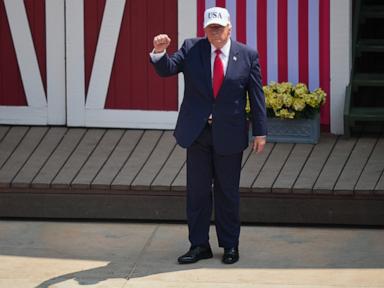
President Donald Trump and Republican leaders are escalating campaign rhetoric by branding Democrats as communists ahead of midterm elections. The attacks reflect a strategic pivot toward Cold War-era language designed to energize the GOP base and frame the 2022 races as ideological warfare.
Trump has repeatedly invoked communist imagery when describing Democratic policies, particularly on spending, regulation, and social programs. Republican candidates across multiple races have adopted similar framing, linking Democratic proposals to Soviet-style governance and authoritarian control. The messaging targets inflation concerns and government expansion, translating economic anxieties into Cold War terminology.
The communist label represents a calculated rhetorical strategy. Republicans argue that Democratic spending proposals, Green New Deal initiatives, and expanding social safety nets reflect socialist or communist ideology. Democrats reject the characterization as inflammatory distortion, contending their policies reflect mainstream Democratic positions that differ substantially from communist systems.
Historically, communist accusations marked American politics during the 1950s Red Scare and Cold War periods. Reviving this language in 2022 represents a return to divisive framing that party strategists believe resonates with voters concerned about government overreach and economic direction.
The timing matters. As midterm elections approach, Republicans seek messaging that crystallizes voter frustration into partisan terms. Inflation, energy prices, and supply chain disruptions dominate voter concerns. By framing Democratic governance as ideologically extreme rather than merely policy disagreement, Republicans attempt to elevate the stakes beyond typical electoral competition.
Democrats counter that such attacks distract from substantive policy debate and inflame political polarization. They point to their actual legislative records and argue that mainstream social democracy differs fundamentally from communist systems.
The rhetorical escalation reflects broader polarization in American politics, where candidates increasingly deploy extreme characterizations of opponents rather than debating specific policy differences. Whether this communist framing moves midterm elections remains uncertain, but the tactic signals