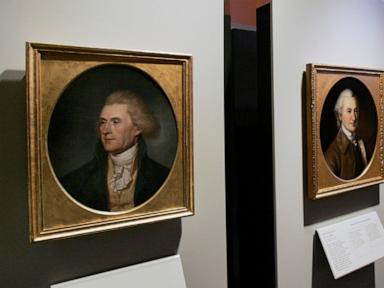
Jane Calvert has devoted a quarter-century to rehabilitating the reputation of John Dickinson, the Pennsylvania delegate who refused to sign the Declaration of Independence in 1776. Dickinson's absence from that pivotal document has cast a long shadow over his historical legacy, despite his substantial contributions to American independence and governance.
Dickinson, a prominent Philadelphia lawyer and politician, opposed the Declaration not from disloyalty but from constitutional concerns. He believed the colonies should exhaust diplomatic options before severing ties with Britain. His principled stand against immediate independence cost him politically and historically, overshadowing his genuine influence on founding documents.
Before the Declaration, Dickinson drafted the Articles of Confederation, the nation's first governing framework. He also wrote the Letters from a Farmer in Pennsylvania, essays that articulated colonial grievances and shaped revolutionary thought. These contributions proved foundational to American political development, yet remain overshadowed by his non-signature.
Calvert, a historian, argues that Dickinson deserves recognition as a bridge-builder and constitutional thinker rather than condemnation as a reluctant patriot. His hesitation reflected legitimate debate about the pace and method of independence. Many delegates held genuine disagreements about timing. Dickinson represented a meaningful strand of Revolutionary thought that valued deliberation and legal process.
Dickinson eventually supported independence and served in the Continental Army, yet his early caution branded him as insufficiently committed. After the war, he helped draft the Constitution and served as governor of Pennsylvania and Delaware, further demonstrating his dedication to nation-building.
The historical record has reduced Dickinson to a single decision. Calvert's work positions him instead as a complex figure whose constitutional conservatism and emphasis on process contributed vitally to American governance structures. His signature's absence from the Declaration obscures rather than defines his Revolutionary legacy.
Recognizing Dickinson requires