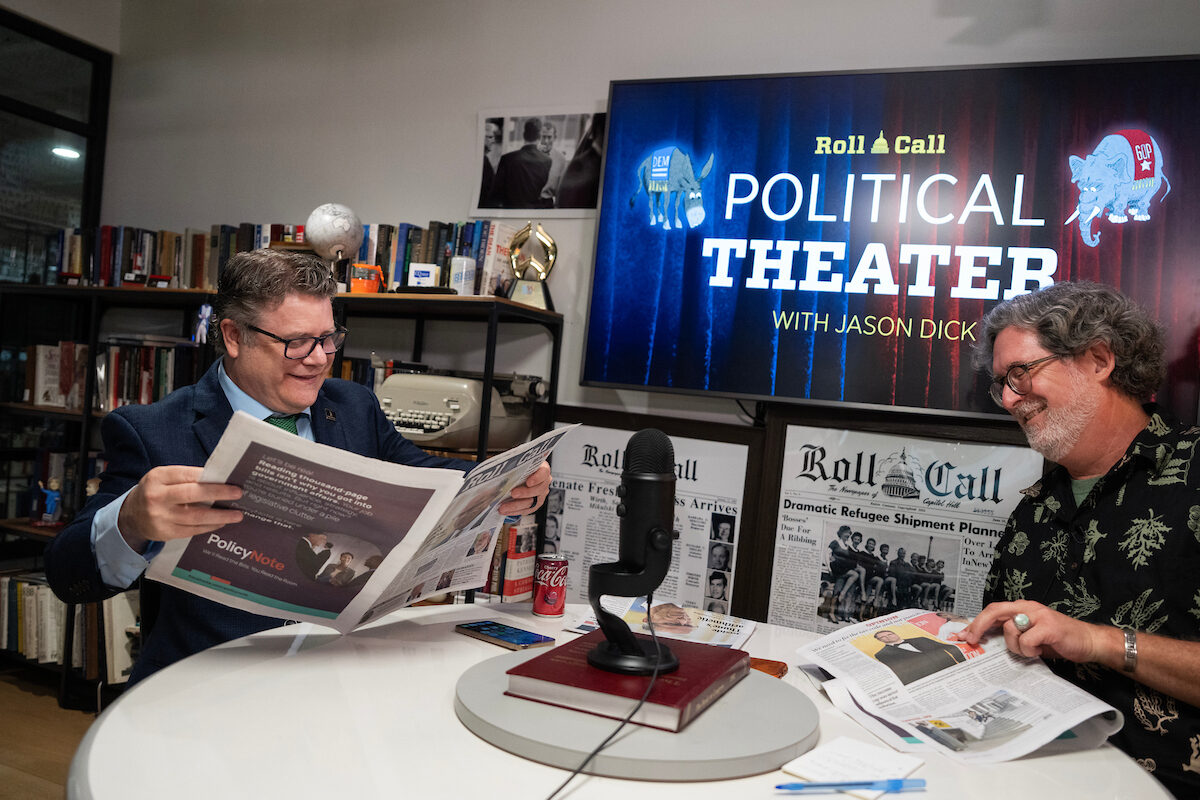
Sean Astin, president of the Screen Actors Guild-American Federation of Television and Radio Artists (SAG-AFTRA), addressed his role navigating the entertainment industry during a period of significant labor and political turbulence. The actor discussed his connections to Washington, D.C. governance structures and his advocacy efforts on Capitol Hill.
Astin brought both his entertainment industry credentials and public service orientation to union leadership at a time when Hollywood faces ongoing labor disputes, streaming platform negotiations, and questions about worker compensation and protections. His engagement with lawmakers reflects SAG-AFTRA's efforts to influence policy discussions affecting performers and media workers.
The union leader outlined specific issues the organization pursues in legislative conversations, though the format of a podcast interview suggests these discussions ranged across multiple labor priorities and governance challenges facing the entertainment sector. Astin's background as a prominent actor who has maintained an interest in civic engagement positioned him to bridge entertainment industry concerns and political processes.
His appointment to the SAG-AFTRA presidency placed him at the center of contract negotiations with major studios and streaming services, disputes over artificial intelligence use in productions, and broader questions about performer compensation in a rapidly changing media landscape. The timing of his leadership coincides with heightened union activity across multiple industries and renewed congressional interest in labor protections.
Astin's framing of his role as one of meeting pivotal moments suggests he viewed the union presidency as more than standard labor representation. His Washington connections and willingness to testify or engage directly with policymakers indicated SAG-AFTRA's strategy of pursuing legislative remedies alongside traditional labor negotiations.
The conversation highlighted how entertainment industry leadership increasingly intersects with political advocacy, with union officials working directly with Capitol Hill on issues ranging from residuals to pension protections to new technology standards in production.