California continues to struggle with voter turnout despite implementing numerous electoral reforms designed to increase participation. The state has introduced mail-in voting, extended early voting periods, and same-day registration, yet engagement levels remain stubbornly low compared to national averages.
The disconnect between reform and results reflects a broader challenge facing election officials. Expanding access to voting has proven insufficient on its own to drive meaningful increases in turnout. California's experience suggests that structural barriers represent only part of the participation puzzle. Voter motivation, political engagement, and demographic shifts also shape who actually casts ballots.
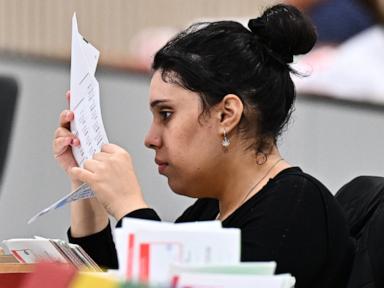
Extended ballot counting procedures, implemented to accommodate mail-in voting expansion, have altered California's election timeline considerably. Ballots now arrive by mail weeks before Election Day, and counting can stretch for days or weeks afterward. This shift has changed the rhythm of campaign messaging and results announcements that traditionally drove election-day excitement and news coverage.
Election experts cite multiple factors for persistent low turnout. Voter fatigue from frequent elections burdens California residents. The state's heavily Democratic lean reduces competitive pressure in many races, dampening turnout among all voters. Population growth has also outpaced voter registration efforts in certain regions.
State officials have continued exploring additional solutions, from targeted outreach campaigns to simplified voter registration. Yet California's experience demonstrates that removing obstacles to voting does not automatically translate into higher participation rates. The state remains committed to voting access improvements, recognizing that sustained engagement requires sustained effort beyond ballot delivery mechanisms alone.