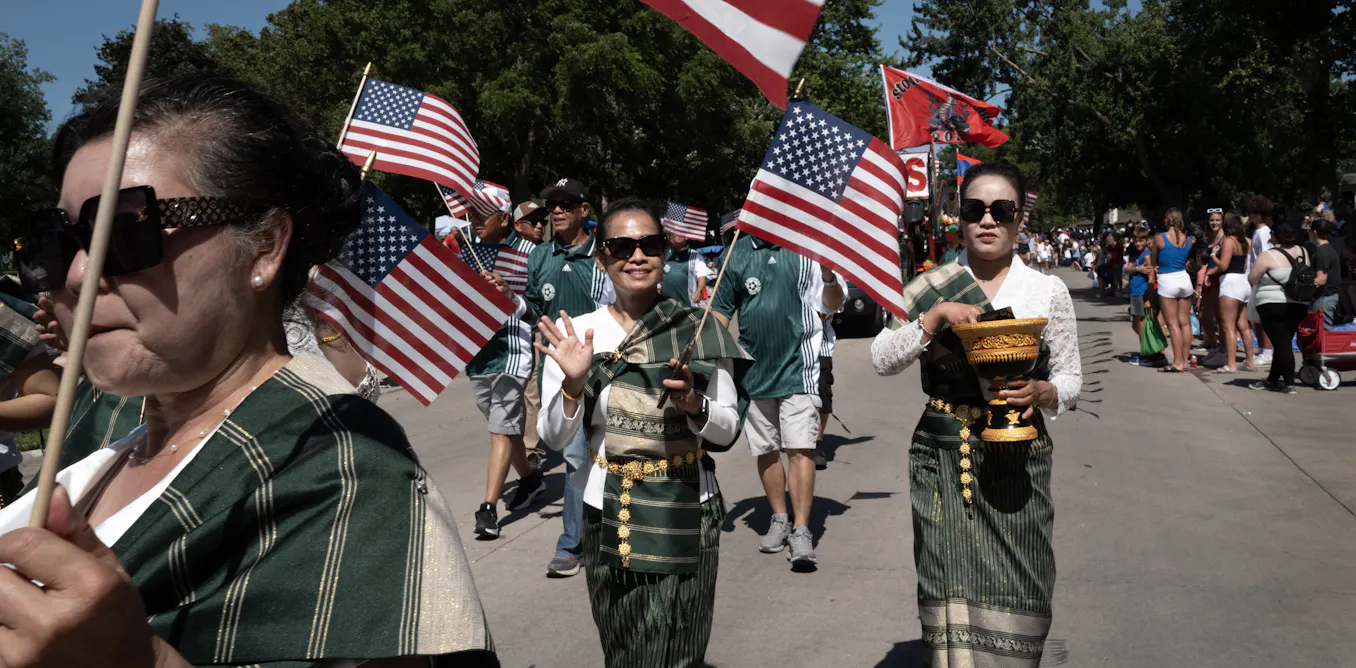
Public celebrations across America serve as quiet engines of social cohesion, reshaping community identity and national belonging in ways that policy debates often miss. These events, from small-town festivals to religious institution gatherings, function as spaces where strangers become neighbors and diverse populations rehearse shared citizenship.
The article points to examples like a synagogue's 5K race and Appalachia's Hillbilly Days festival as evidence that celebrations do cultural work beyond entertainment. They create literal and figurative common ground. When residents participate in these events together, they establish new norms about who belongs in their communities and what shared values matter.
This pattern reflects a broader truth about American life: national identity forms not only through policy fights or electoral contests but through routine participation in public ritual. A 5K benefits a religious institution while simultaneously signaling interfaith acceptance. Hillbilly Days celebrations reclaim regional identity on community terms rather than through outside stereotypes.
The mechanics operate subtly. Celebrations invite participation across lines that might otherwise divide. They establish precedent. They create muscle memory around cooperation. Strangers who volunteer together at a festival, run together for a cause, or attend together become less strange to each other. Over time, repeated participation shifts baseline assumptions about community composition and belonging.
This dynamic carries political weight. Communities that regularly celebrate together develop different political cultures than those where public life remains fragmented. Shared ritual creates social capital that can be mobilized for collective action. It also builds tolerance through exposure and interdependence. The relationships forged at local events shape voting patterns, policy receptiveness, and political trust.
The implication challenges standard analysis focused on political messaging and institutional change. Much of American political life gets remade through celebrations that nobody frames as political at all. A town council approves a festival permit. Volunteers gather. Strangers become acquainted. National belonging shifts incrementally. This process runs parallel to