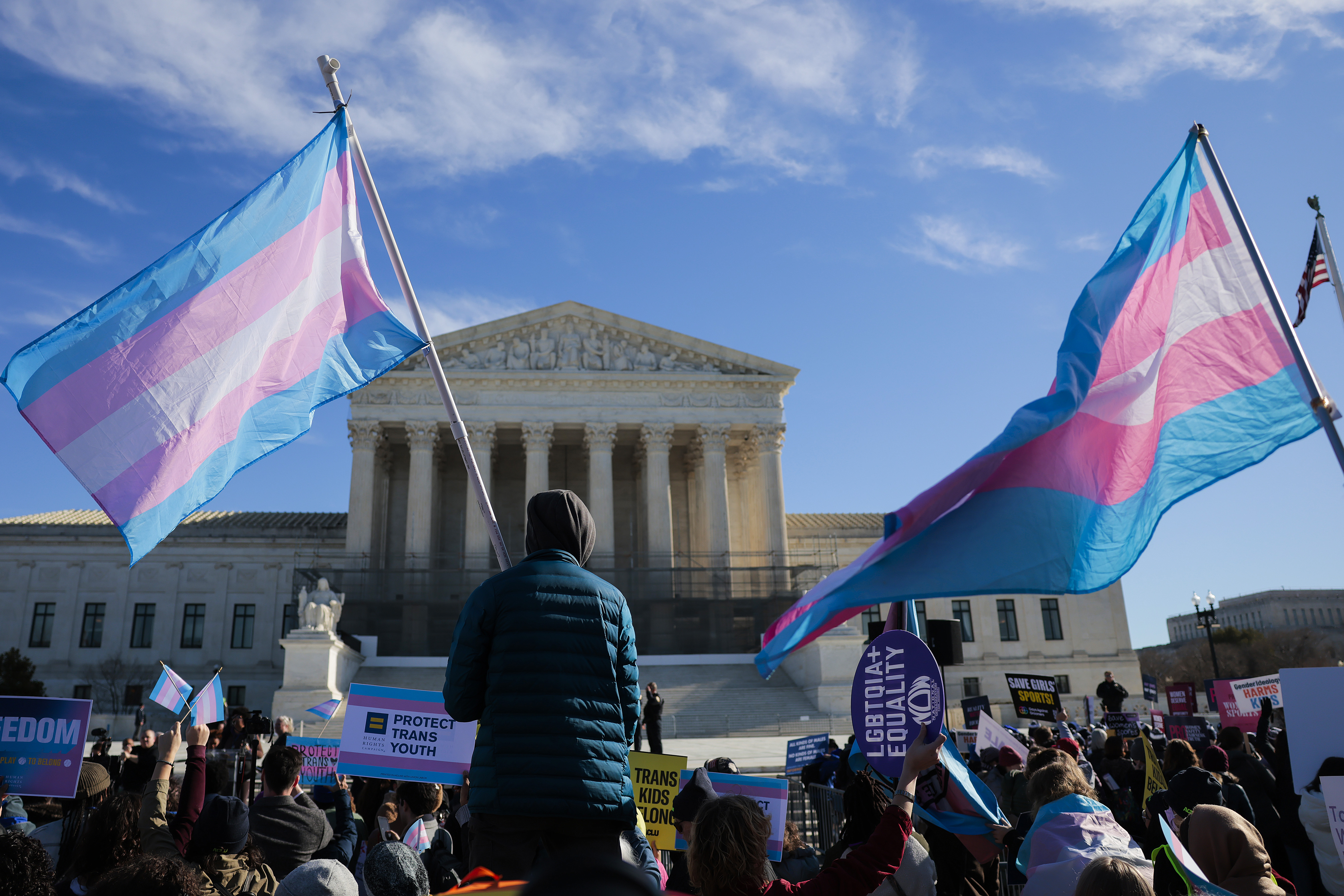
The Supreme Court's liberal justices conceded legal ground on transgender rights in a recent decision involving athletic competition, according to analysis from The Intercept. The ruling reflects a broader strategic pattern by opponents of transgender protections, who have used girls' sports regulations as a wedge issue to erode civil rights safeguards more broadly.
The decision marks a setback for transgender rights advocates who view sports eligibility cases as part of a larger battle over legal recognition and protection. Even justices appointed by Democratic presidents failed to establish strong precedent defending transgender participation in athletics, a domain where cultural and legal disputes have intensified over the past five years.
The strategy employed by anti-trans activists centers on framing athletic fairness as the core issue while using sports cases to establish legal principles applicable to other areas of civil rights law. By winning on the narrower sports question, opponents gain momentum to challenge transgender protections in employment, healthcare, housing, and education.
The liberal justices' inability to forge a unified defense of transgender rights in this context signals vulnerability in the broader legal landscape. Their partial concession on sports matters sets a precedent that lower courts may extend to other policy domains where transgender Americans seek equal treatment.
This outcome reflects the current ideological composition of the Supreme Court, where the conservative majority now controls major decisions on civil rights issues. The athletic competition cases represent one of several fronts where transgender rights face legal challenges, alongside debates over medical care access and workplace discrimination protections.
Advocates for transgender rights now face a recalibrated legal landscape where even liberal justices offer limited protection. Future litigation will likely test how far courts extend the principles established in sports cases to other areas affecting transgender people's daily lives and legal status.