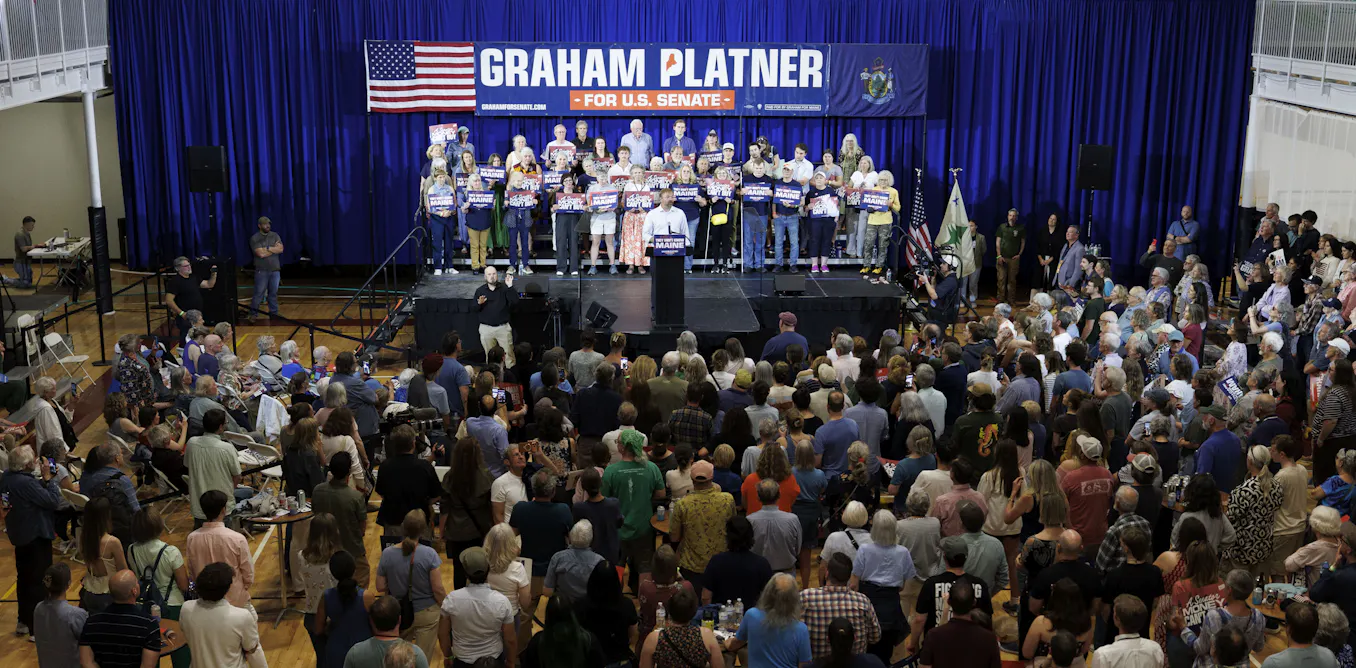
American voters continue backing candidates with serious ethical problems or scandal histories, driven primarily by a desire to block the opposing party rather than genuine support for their preferred nominee. This pattern reflects the deepening partisan divide reshaping electoral behavior across the country.
Negative partisanship, the term political scientists use to describe voting against the other side rather than for your own, has become the dominant force in modern elections. Voters increasingly view the opposing party as a threat to the nation's future, making party loyalty trump concerns about a candidate's personal conduct or qualifications.
The phenomenon manifests across both major parties. Republicans backed candidates despite controversies. Democrats have supported nominees facing questions about fitness for office. In each case, voters weighed the alternative as unacceptable, making their own candidate preferable by comparison.
This dynamic lowers the bar for acceptable behavior in politics. Candidates once considered disqualified by scandal now survive primary contests and general elections. Voters who might otherwise demand higher ethical standards rationalize their support through the lens of partisan competition. The logic follows a simple formula: my candidate's flaws matter less than preventing the other party from winning.
Research shows this trend accelerated over the past decade as institutional trust collapsed and partisan animosity intensified. Media consumption patterns reinforce the divide. Conservative and liberal voters increasingly inhabit separate information ecosystems that amplify threats posed by the opposing party while minimizing their own side's shortcomings.
The result reshapes governance itself. Politicians face fewer consequences for ethical lapses if their base prioritizes party victory. Norms around transparency, honesty, and accountability erode when voters signal they will support their candidate regardless. The electoral incentive shifts away from building broad coalitions based on character and competence toward mobilizing partisan bases through fear and tribal identity.
This calculus presents a challenge for reform. As long as voters view elections as existential battles between fundamentally opposed worldvi