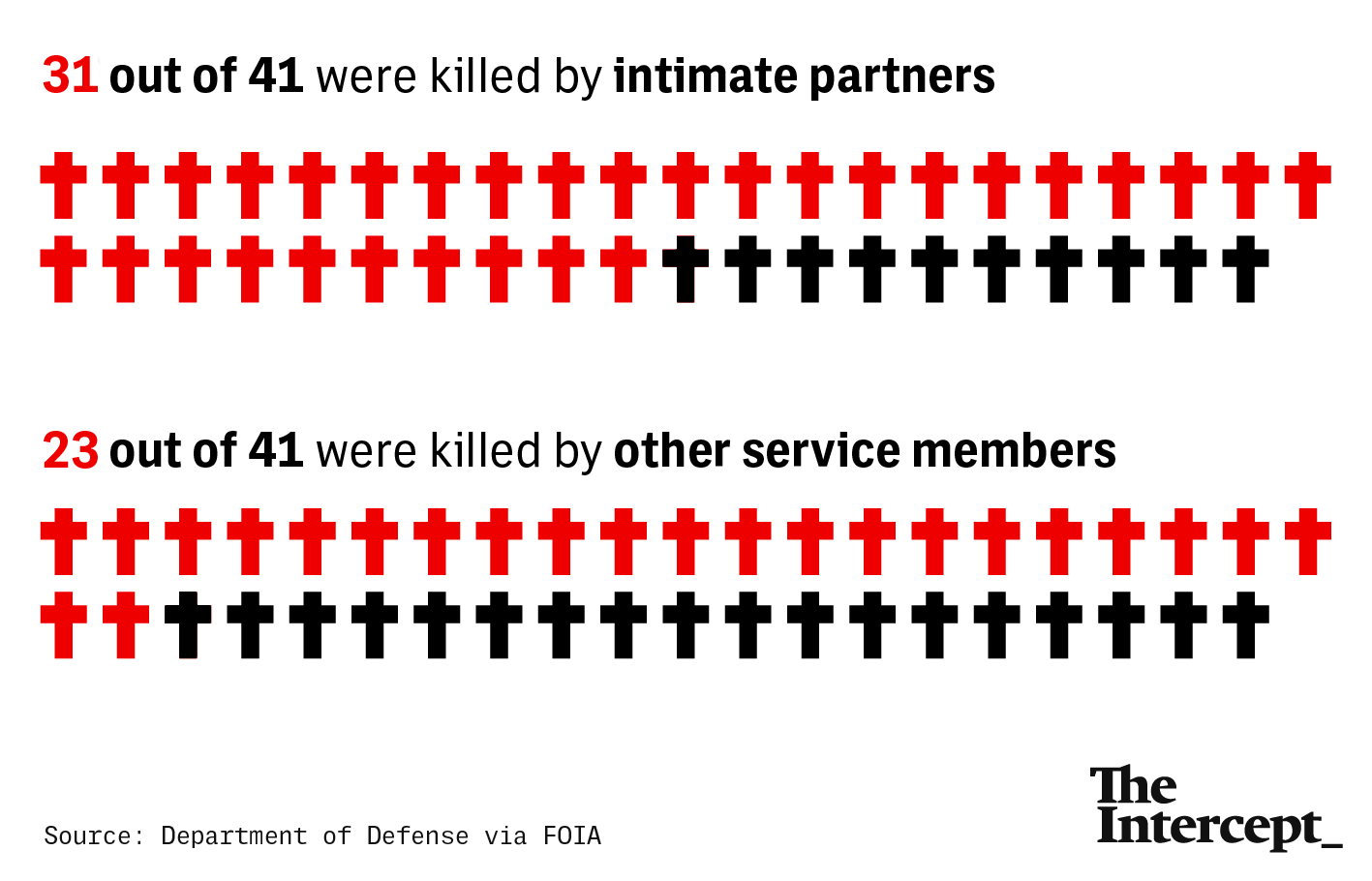
Women in the U.S. Army face a deadly threat from within their own ranks. Homicides stemming from intimate partner violence kill female soldiers at rates at least three times higher than the national average, according to reporting from The Intercept.
The data reveals a systemic failure in military culture and command oversight. Women soldiers die at the hands of fellow service members, often in domestic relationships, at alarming rates. This represents a profound breach of duty by military leadership to protect personnel under their command.
The Army has long struggled with sexual assault and harassment within its ranks. This homicide data adds another layer to the crisis, showing that the dangers women face extend beyond harassment and assault to lethal violence. The intimate partner violence problem suggests inadequate screening protocols for recruits with histories of domestic abuse, weak enforcement of protective orders, and insufficient support systems for at-risk soldiers.
Military culture has historically prioritized unit cohesion and loyalty above accountability for criminal behavior. This environment allows abusers to operate with relative impunity. Women soldiers often face retaliation or ostracism when they report violence, creating barriers to help-seeking and escalating danger.
The Pentagon has implemented various initiatives addressing sexual assault, but the focus on intimate partner homicides remains underdeveloped. Training on recognizing warning signs, enforcing protective measures, and holding commanders accountable for incidents in their units requires immediate expansion.
Congress holds oversight authority over military personnel policies. Lawmakers must demand concrete reforms, including mandatory background checks for domestic violence histories, swift removal of abusers from service, and protected access to civilian resources for threatened soldiers. The armed forces cannot expect women to serve their country while failing to protect them from lethal violence by people they trust.
This crisis demands action beyond standard military channels. The Department of Defense must establish independent oversight mechanisms, improve data collection on intimate partner violence, and fundamentally shift command responsibility for soldier safety. Women