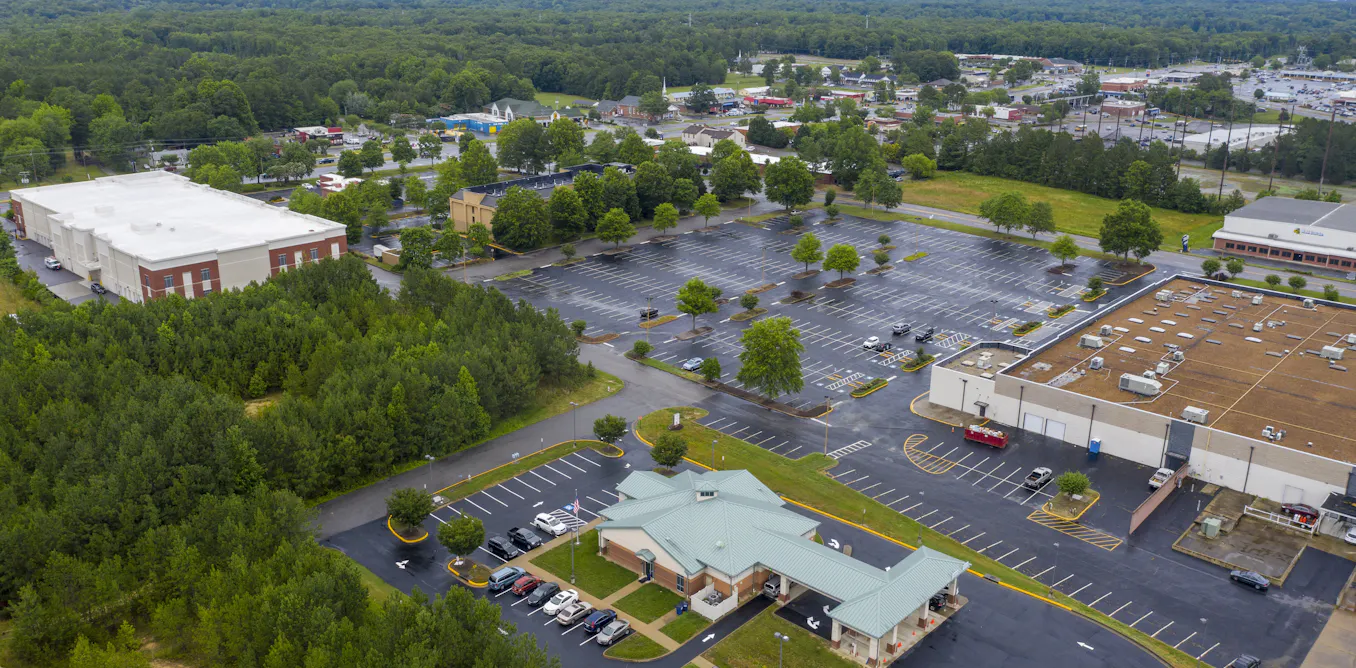
The Supreme Court has determined that cellphone location data falls under Fourth Amendment protection against unreasonable searches and seizures. This ruling directly challenges the practice of geofencing warrants, which law enforcement uses to obtain location information for all mobile devices present in a specific geographic area during a particular timeframe.
Geofencing warrants cast an exceptionally wide net. Police request data covering an entire neighborhood or city block without identifying any specific suspect. Google, Apple, and other tech companies then provide the location history of every phone that pinged cell towers or connected to networks in that zone during the target window. Officers subsequently sort through thousands of records to identify potential persons of interest.
The Court's decision fundamentally reframes how authorities must approach digital surveillance. Rather than treating location data as a business record outside constitutional boundaries, the justices recognized that pinpointing someone's movements reveals intimate details about daily life, religious practices, political activity, and personal relationships. This reasoning extends precedent from earlier rulings protecting GPS tracking and cell site location information.
The practical implications reshape criminal investigations nationwide. Law enforcement must now obtain individualized warrants showing probable cause against specific targets. Blanket geofencing requests violate the Fourth Amendment's requirement that searches target particular persons or places. This requirement forces police to develop suspects through traditional investigative work before seeking location data.
Privacy advocates view this ruling as essential protection against mass surveillance. Tech companies had grown increasingly willing to comply with geofencing requests, sometimes processing hundreds monthly. The decision creates legal friction against dragnet approaches that inevitably implicate innocent people whose only connection to a crime scene is their physical presence.
Law enforcement agencies argue the ruling complicates investigations and slows responses to serious crimes. Prosecutors contend that geofencing remains valuable for identifying suspects when traditional leads fail. The tension between investigative efficiency and constitutional protection will likely shape legislative responses in coming years.
The ruling applies uniformly across federal