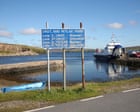
Shetland Island Council voted Tuesday to pursue financing options for subsea tunnels connecting its largest islands, a project intended to reverse decades of isolation and population decline in Scotland's northernmost region.
The council approved plans to investigate construction of up to four tunnels linking Shetland's Mainland with the major northern islands of Yell and Unst. The first two projects would target these northerly islands, which have experienced sustained economic challenges and outmigration due to their geographical separation from the main population centers.
The tunnel initiative represents a dramatic infrastructure commitment for the remote archipelago. Subsea tunnels would eliminate ferry dependencies that currently limit transportation, commerce, and service delivery between islands. The Shetland Council has framed the project as essential to reversing demographic trends that have shrunk populations on outer islands.
Council members voted to move forward with detailed financing investigations, meaning the next phase involves identifying funding sources and assessing construction feasibility. Scotland's devolved government may contribute support through national infrastructure programs, though the council must develop concrete cost estimates and engineering assessments before seeking formal approval or funding commitments.
The project carries significant political weight in Scottish regional development. Island communities across Scotland face similar connectivity challenges, making Shetland's tunnel initiative a potential model for broader island connectivity strategies. Success here could influence approaches to linking other remote Scottish archipelagos.
Shetland's economy depends heavily on fishing, renewable energy development, and tourism. Current ferry connections create bottlenecks for freight movement and tourism development. Permanent road links through tunnels would streamline logistics, reduce transportation costs, and potentially attract new investment to northern islands that struggle to compete with more accessible regions.
The council's decision reflects frustration with decades of limited progress on island connectivity. Previous initiatives stalled due to cost concerns and technical questions about deepwater tunnel construction. The current vote signals renewed determination to pursue infrastructure solutions despite substantial capital