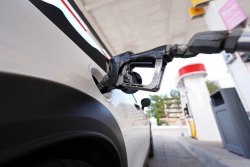
Energy prices have fallen sharply, contradicting widespread forecasts and delivering a political gift to the White House and Democratic Party just weeks before the midterm elections. The unexpected decline undercuts one of Republicans' most potent campaign arguments against the Biden administration.
For months, energy costs remained elevated, giving Republicans a straightforward attack: blame Democratic policies for inflation and high gas prices at the pump. The administration faced criticism over its handling of federal leases, oil permits, and energy policy generally. Democrats struggled to respond to voter frustration over household budget pressures.
The recent price decline changes that political calculus substantially. Lower energy costs reduce household expenses directly and help cool overall inflation metrics, weakening Republican messaging on economic management. The shift provides Democrats with a counterargument: the economy responds to market forces beyond any single administration's control, and prices are now heading downward.
Energy analysts attributed the drop to multiple factors including increased global supply, weaker economic growth signals reducing demand, and seasonal patterns. The timing presents an obvious political advantage for Democrats heading into midterm voting.
White House officials have emphasized the price declines in recent statements, framing them as evidence of economic resilience under Biden's leadership. The messaging strategy aims to remind voters of falling pump prices when evaluating the administration's economic record.
Republicans acknowledge the price shift but argue it reflects temporary market conditions rather than policy success. They maintain that Democratic energy policies created long-term vulnerabilities in American energy independence and production capacity.
The political stakes remain high. Energy prices directly impact voter perceptions of presidential performance, and movements in either direction can swing electoral sentiment. The current downward trend removes what had been an effective Republican talking point, forcing the opposition to emphasize other economic concerns heading into election day.