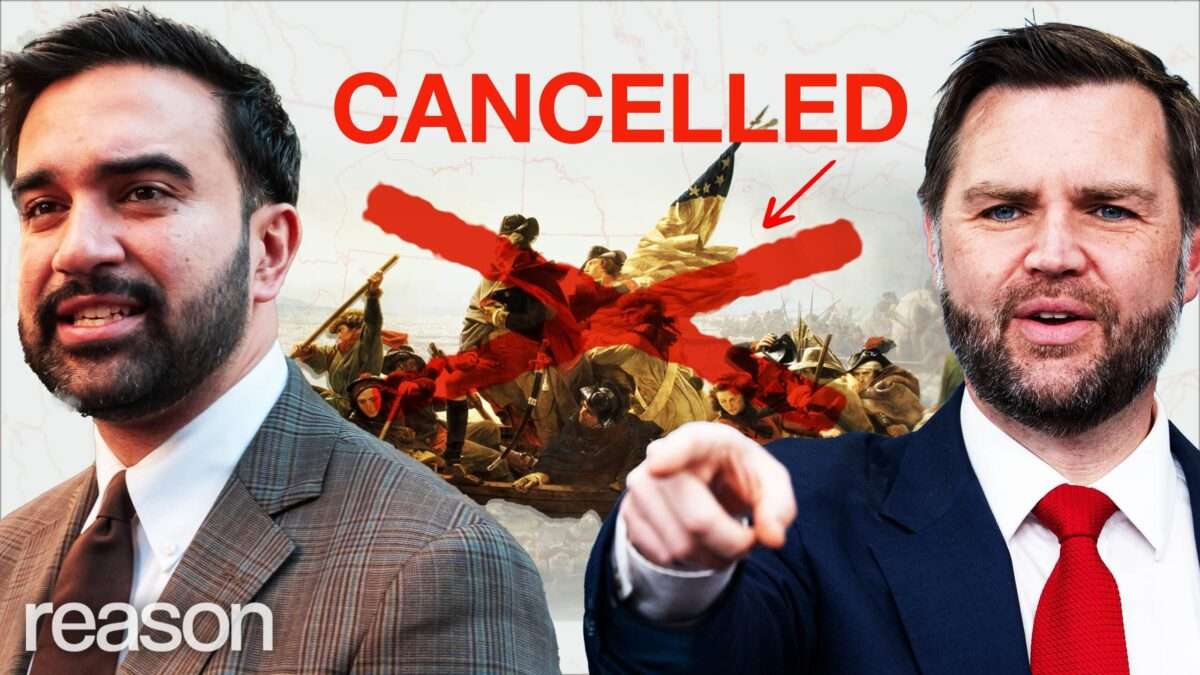
The ideological battle over America's founding principles has intensified beyond traditional left-right partisan divisions, with both progressives and conservatives accusing each other of betraying Revolutionary ideals.
The article frames contemporary political conflict not as disagreement over policy implementation but as fundamental disputes about what the American Revolution actually achieved and promised. The left argues that the Founders' vision remains incomplete, pointing to slavery's legacy, unequal representation, and exclusion of women and minorities from early democratic participation. They contend that realizing Revolutionary ideals requires expansive government action to rectify historical injustices.
The right counters that the Revolution established a constitutional republic protecting individual liberty through limited government, property rights, and federalism. Conservatives claim progressives betray these principles by expanding state power and eroding traditional institutions. They view the Constitution as the Revolution's completed product, not a draft requiring reinterpretation.
Both camps invoke the Founders selectively. Progressives cite Thomas Jefferson's "all men are created equal" while noting his hypocrisy on slavery. Conservatives emphasize James Madison's warnings about concentrated power and separated government branches. The disagreement reflects competing narratives about whether the Revolutionary vision was revolutionary enough or whether modern movements have distorted it beyond recognition.
This ideological warfare shapes concrete policy battles: voting rights, federal power, gun ownership, religious liberty, and economic redistribution all trace back to competing interpretations of 1776. Politicians and activists frame their positions as fidelity to Revolutionary principles while casting opponents as revolutionary enemies attacking the nation's foundations.
The stakes matter politically because Americans across the spectrum believe they defend authentic revolutionary values while others corrupt them. This rhetorical framework makes compromise difficult. When both sides claim moral legitimacy rooted in founding documents, negotiations become zero-sum contests over national identity itself.