# Summary
The Voting Rights Act, enacted six decades ago, cost lives during the civil rights movement. Descendants of those who died fighting for ballot access now watch federal protections erode through Supreme Court decisions and state legislation.
The 1965 Voting Rights Act emerged from a brutal campaign. Activists faced violence, arrest, and murder while pushing for Black Americans' right to vote. Figures like Medgar Evers and Vernon Dahmer paid with their lives. Their families believed their sacrifice had secured lasting change.
Recent developments have reversed much of that progress. The Supreme Court struck down the Act's key provision in 2013, gutting federal oversight of jurisdictions with histories of racial discrimination. States immediately implemented voter ID laws, purged voter rolls, and reduced early voting periods. Conservative legislatures in swing states rewrote election rules after the 2020 presidential race.
Voting rights advocates argue these changes disproportionately affect Black Americans and other minorities. Research shows stricter ID requirements and voter purges remove eligible voters from rolls at higher rates in communities of color. Some states have closed polling places in predominantly Black neighborhoods, forcing longer waits and travel times.
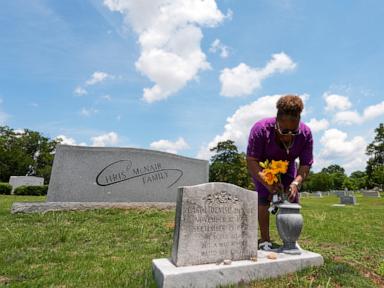
Survivors and heirs of voting rights martyrs express frustration that younger generations must fight battles their ancestors thought settled. The moral calculus troubles them. They risked everything for a right that now faces new restrictions, even as political leaders invoke the legacy of that era without protecting its achievements.
The political divide on voting rights runs deep. Republicans frame stricter rules as election security measures. Democrats call them voter suppression. This fundamental disagreement shapes election administration across America, with each side controlling different states and implementing competing visions of voting access.
The tension reflects a larger question about American democracy. Whether the nation honors the sacrifices made during the civil rights era or retreats from voting protections remains an open fight.
CATEGORY