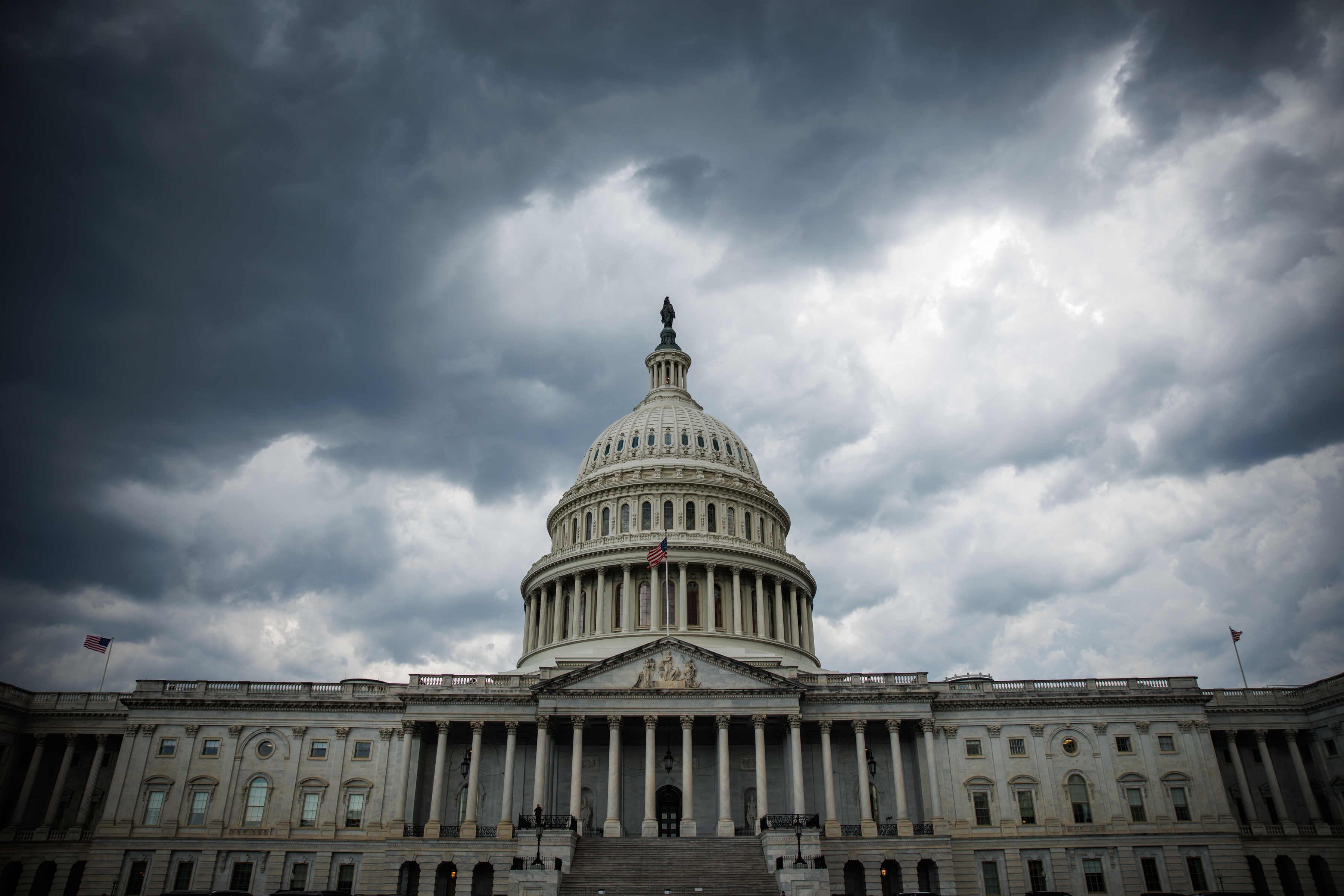
A House bill designed to verify users' ages online poses serious threats to press freedom and whistleblower protection, according to civil liberties advocates. The legislation, framed as child safety measure, would require digital platforms to collect and store identification data from users attempting to access age-restricted content.
The bill's implementation would force websites to maintain detailed records of user identities tied to browsing habits. This creates a surveillance infrastructure that journalists and sources rely on avoiding. Whistleblowers typically depend on anonymous communication channels to expose government or corporate wrongdoing without fear of retaliation. Age verification systems eliminate that anonymity by linking real identities to online activity.
The legislation also threatens investigative reporters who conduct sensitive research on topics including healthcare, sexuality, and political dissent. Anonymous browsing enables journalists to investigate stories without alerting subjects to their inquiries. Age verification mandates would compromise this reporting methodology.
Privacy advocates warn the bill fails to adequately protect the personal data it collects. Data breaches exposing identification records tied to sensitive browsing history could harm vulnerable populations, including LGBTQ individuals, abuse survivors, and political activists seeking information in restrictive regimes.
The bill represents a policy collision between two legitimate concerns. Protecting minors from harmful online content remains a valid legislative goal. However, child safety advocates and press freedom groups argue the mechanism chosen here sacrifices fundamental freedoms to achieve that aim.
Alternative approaches exist that accomplish age verification without wholesale identity collection. Device-based verification and federated age-checking systems could confirm user age without centralized databases of personal information linked to browsing patterns.
The measure reflects broader tension in internet regulation between security, privacy, and open access. As lawmakers push for greater platform accountability and child protection, implementation details determine whether regulations enhance public welfare or enable surveillance states.