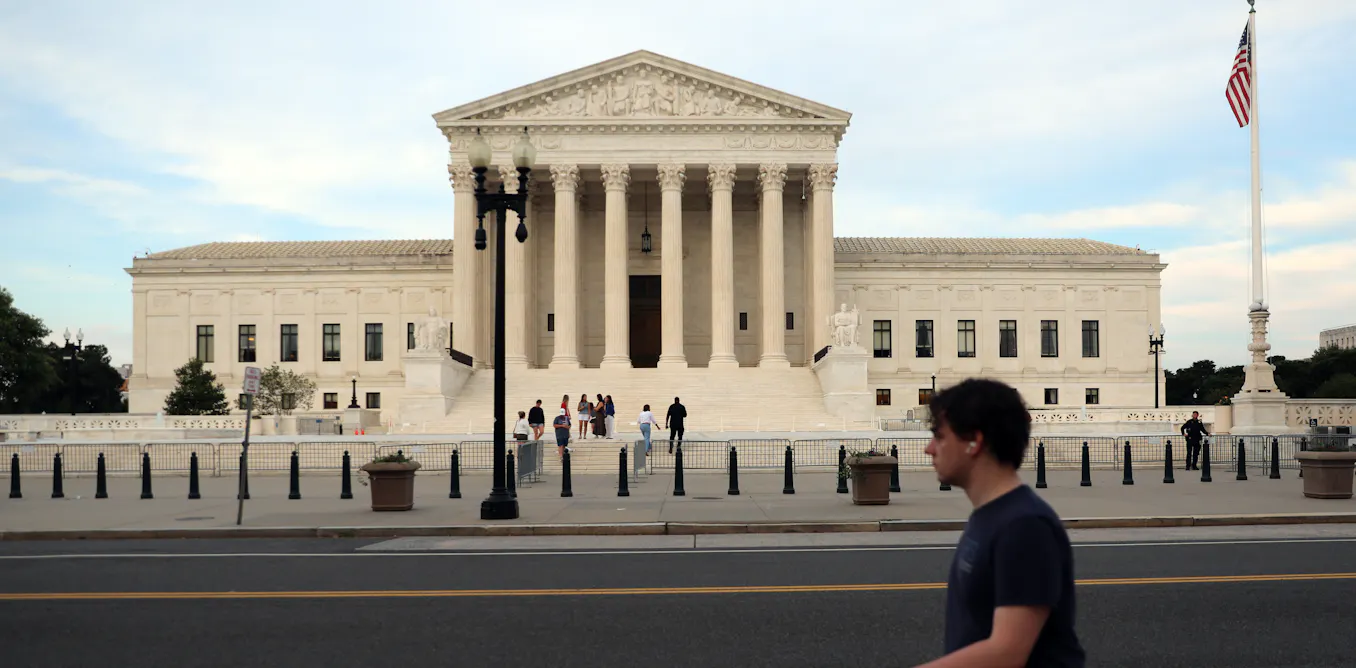
The Supreme Court issued two landmark rulings that reshape constitutional protections for gun owners and drug users. In the first decision, the Court expanded Second Amendment rights for concealed carry holders, striking down restrictions on where citizens can carry firearms in public. In the second, justices expanded Fourth Amendment protections for casual drug users, limiting police authority to search individuals based on drug use suspicions.
The gun rights ruling reflects the Court's conservative majority's interpretation of the Second Amendment as a broad individual right. The decision invalidates state and local regulations that previously required permits or demonstrated need for concealed carry. This follows the 2022 decision in New York State Rifle and Pistol Association v. Bruen, which established that firearm regulations must align with historical traditions. The expanded concealed carry ruling applies this standard to restrict government power over where citizens can carry weapons.
The drug-related decision limits government searches in cases involving suspected casual drug use. The Court determined that police cannot conduct certain searches without clearer evidence of criminal activity. This decision protects individuals from intrusive searches based on minimal suspicion.
These rulings highlight the ideological consistency of the Court's current conservative supermajority. Both expand individual liberty against government regulation. Critics argue the Court applies its originalist methodology selectively, favoring gun rights while constraining drug enforcement. Proponents contend the Court is properly restoring constitutional limits on government power across multiple areas.
The decisions create immediate practical impacts. States must revise concealed carry licensing schemes. Law enforcement agencies face new constraints on drug-related searches. Together, these rulings signal the Court's direction on civil liberties, prioritizing individual rights over government regulation in both Second and Fourth Amendment contexts.