# How the US Supreme Court Decides Its Cases
The Supreme Court operates through a formal process that shapes American law and policy. Understanding this system requires knowing the steps from petition to final opinion.
The journey begins when petitioners file a writ of certiorari, asking the Court to review a lower court decision. The Court receives thousands of these requests annually but accepts fewer than 100 cases. The justices use a "rule of four" standard, meaning four votes are sufficient to hear a case.
Once the Court grants certiorari, both sides submit written briefs laying out their arguments and legal reasoning. These documents can run dozens of pages and establish the foundation for oral arguments. The Court also receives amicus curiae briefs from outside parties and interest groups seeking to influence the outcome.
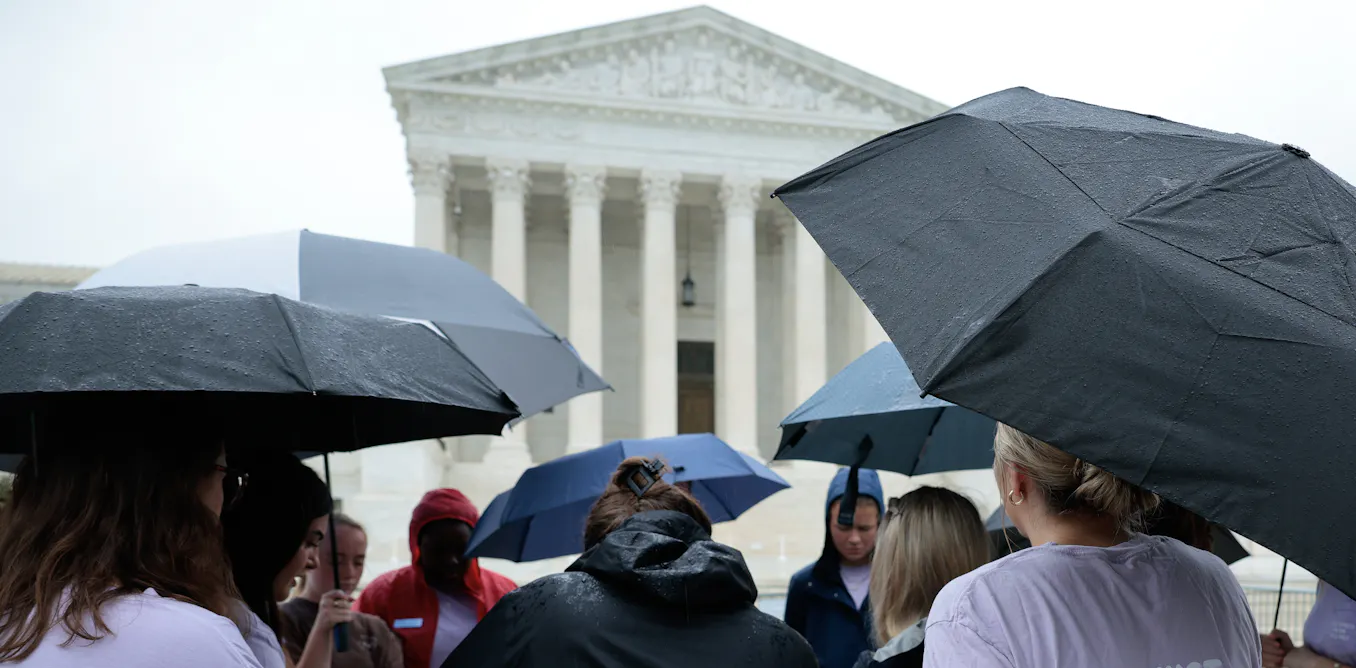
Oral arguments follow, typically limited to one hour with thirty minutes per side. The justices interrupt frequently with questions, testing the strength of each attorney's position. These arguments occur in public sessions at the Court building in Washington.
After arguments, the justices meet in private conference to discuss the case and vote. The Chief Justice speaks first, followed by associates in order of seniority. No staff members attend these sessions. A preliminary vote occurs, though positions can shift before the final decision.
The senior justice in the majority assigns the majority opinion to one of their colleagues. This document represents the Court's official reasoning and becomes binding law. Justices who disagree write dissenting opinions, which do not carry legal force but shape legal debate.
Justices may also write concurring opinions when they agree with the outcome but differ on reasoning. These separate opinions demonstrate fractures within the Court's ideological alignment.
The Court announces decisions in open court, with justices sometimes reading portions of their opinions aloud. This process typically takes months from oral arguments to final ruling. The decisions appear in the U.S. Reports and immediately affect