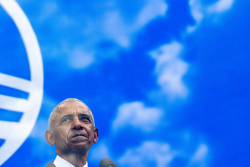
Barack Obama has returned to public prominence as Democrats search for direction following recent electoral setbacks. The former president launched a visibility campaign tied to his presidential library, stepping into a void left by party leadership struggles.
Obama's re-emergence reflects Democratic anxiety about messaging and unity. The party faces internal divisions over strategy, candidate selection, and policy direction heading into the next election cycle. Without a sitting president or clear front-runner commanding party resources, Democratic officials and operatives have looked to Obama as a stabilizing force and fundraising draw.
The timing coincides with Democratic efforts to rebuild after disappointing midterm performances and navigate competing ideological factions within the party. Progressive activists, moderate establishment figures, and younger party members have clashed over priorities ranging from economic policy to foreign affairs. Obama, who remains popular among the Democratic base, carries outsized influence in these debates despite holding no official party position.
His library initiative provides cover for political engagement while allowing him to shape party narrative through speeches, fundraising events, and strategic appearances. The approach lets Obama influence Democratic positioning without directly entering primary contests or endorsing specific candidates, which could fracture the coalition further.
Party observers note that Obama's standing gives him unique leverage over Democratic strategy discussions. His endorsements carry weight in primary contests, and his rhetoric influences how Democrats frame issues to voters. Yet relying on a former president to provide party leadership highlights organizational weaknesses among current Democratic officials.
Whether Obama's involvement resolves Democratic leadership questions remains unclear. His focus on institutional building through the library suggests a long-term commitment to shaping the party's future rather than immediate tactical intervention in current races. Democrats nonetheless see his renewed public role as an asset as they work to consolidate support and develop coherent messaging for upcoming contests.