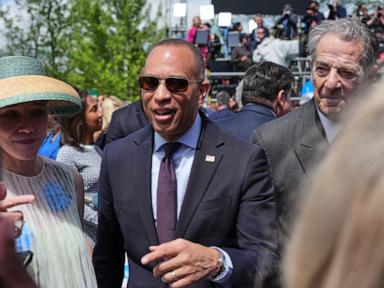
The Democratic Party confronts internal tensions as populist challengers gain traction in communities of color, forcing the establishment to reckon with competing visions of identity politics and economic messaging.
The party faces pressure from two directions. Progressive lawmakers and candidates emphasize class-based populism and direct economic appeals to working families. Meanwhile, traditional Democrats stress identity-specific concerns and community investment tailored to racial and ethnic groups. These approaches have collided as ambitious politicians build grassroots support in minority communities, challenging entrenched Democratic leadership.
The clash reflects deeper fractures within the coalition. Populist Democrats argue the party overcomplicates messaging by centering identity issues, insisting that bread-and-butter economics transcends race. They push for universal programs framed around shared struggle. Establishment Democrats counter that ignoring specific historical inequities abandons communities that built modern Democratic politics.
Recent battles illustrate the divide. Younger lawmakers of color have challenged committee assignments and demanded greater voice in party strategy. Some have backed primary challengers against longtime incumbents, fracturing what were once reliable voting blocs. These insurgent campaigns resonate with voters frustrated by stagnant wages and underfunded neighborhoods, even as some worry populist rhetoric diminishes attention to systemic racism.
The stakes extend beyond internal fights. How Democrats navigate these tensions determines their electoral coalition. Communities of color represent the party's largest voting bloc, yet they are not monolithic. Some voters respond to populist messaging about corporate accountability and union rights. Others prioritize targeted investments in education, housing, and criminal justice reform specific to their communities.
Party leadership has offered few coherent responses. Some embrace both frameworks simultaneously, risking incoherence. Others double down on identity-specific organizing while keeping populist rhetoric muted. Neither approach has fully resolved the tension.
The party cannot resolve this quickly. These disputes reflect real philosophical differences about how to address inequality and what