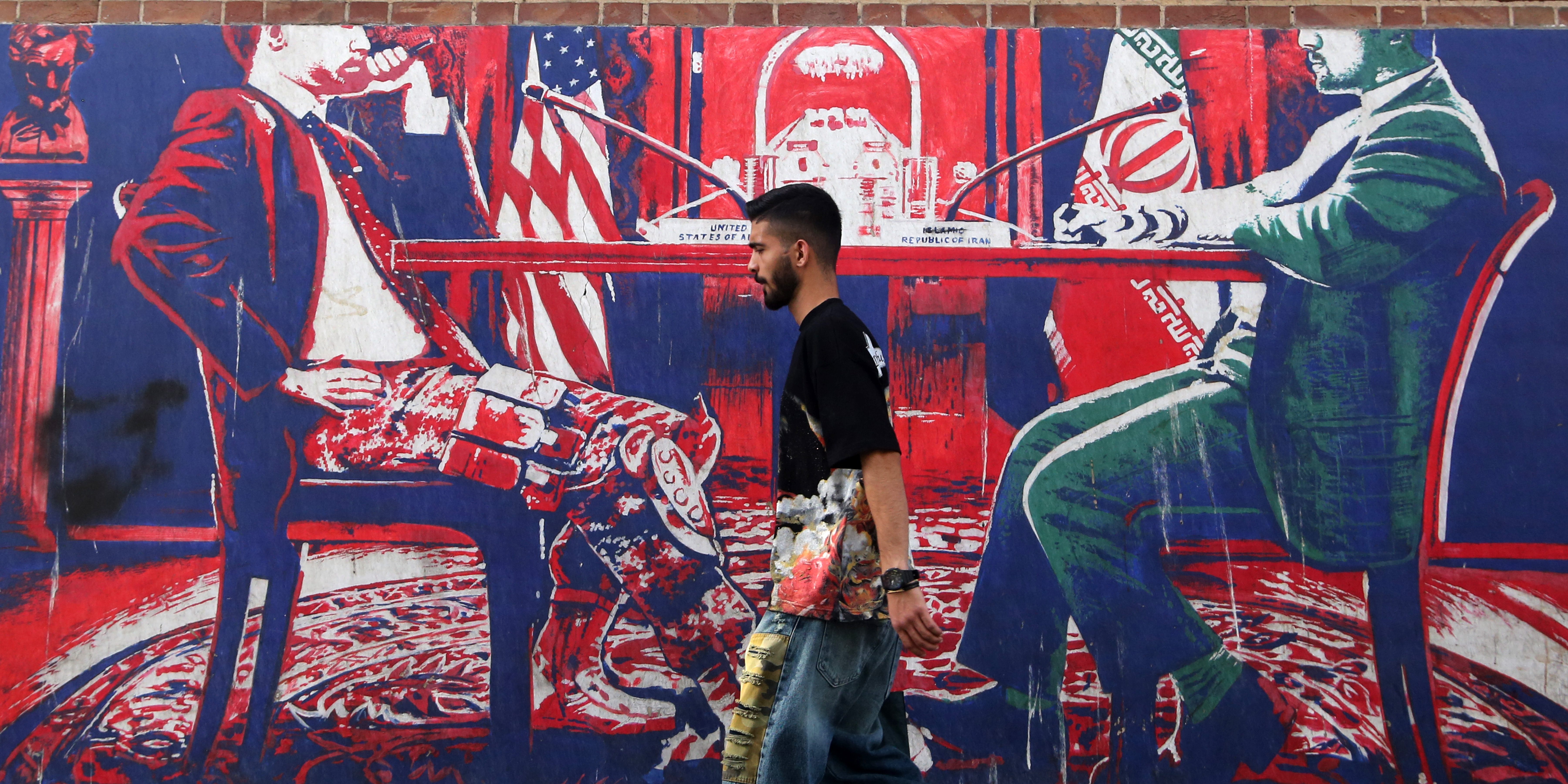
Iran's military victory in a recent conflict has yielded significant concessions from its adversaries, yet the response within Tehran remains cautious rather than triumphant. Citizens and officials alike express wariness rooted in historical experience with broken agreements and unfulfilled promises.
The muted celebration reflects deep skepticism born from Iran's past encounters with international negotiations. Previous deals, including the Joint Comprehensive Plan of Action negotiated under the Obama administration, ultimately collapsed when the Trump administration withdrew in 2018 and reimposed sanctions. That rupture shattered Iranian trust in the durability of negotiated settlements, even when formally codified.
The Iranian government extracted concrete advantages through its military posture, including sanctions relief and security guarantees. Yet analysts note that domestic confidence in these gains remains fragile. Memories of the JCPOA's unraveling linger across Iranian society, from hardline factions who opposed the original deal to reformists who believed it offered a path toward normalization.
This dynamic reveals a fundamental tension in Iranian politics. Hardliners, who consistently warned against trusting Western commitments, point to past betrayals as vindication. Reformists, hoping engagement could reduce Iran's isolation, confront mounting evidence that diplomatic agreements lack permanence when political winds shift in foreign capitals.
The victory itself demonstrated Iran's enhanced military capabilities and willingness to act on its interests. Yet the subdued public mood suggests Iranians understand that military strength alone cannot guarantee that international agreements will survive future political transitions abroad. The experience of watching the Obama-era nuclear deal evaporate demonstrates that even detailed, internationally endorsed accords can disappear if a single major power withdraws.
This skepticism carries implications for future negotiations. If Iran believes agreements lack staying power, it may prioritize military deterrence over diplomatic settlements. Conversely, external parties seeking Iranian cooperation face a credibility problem rooted in prior broken promises.