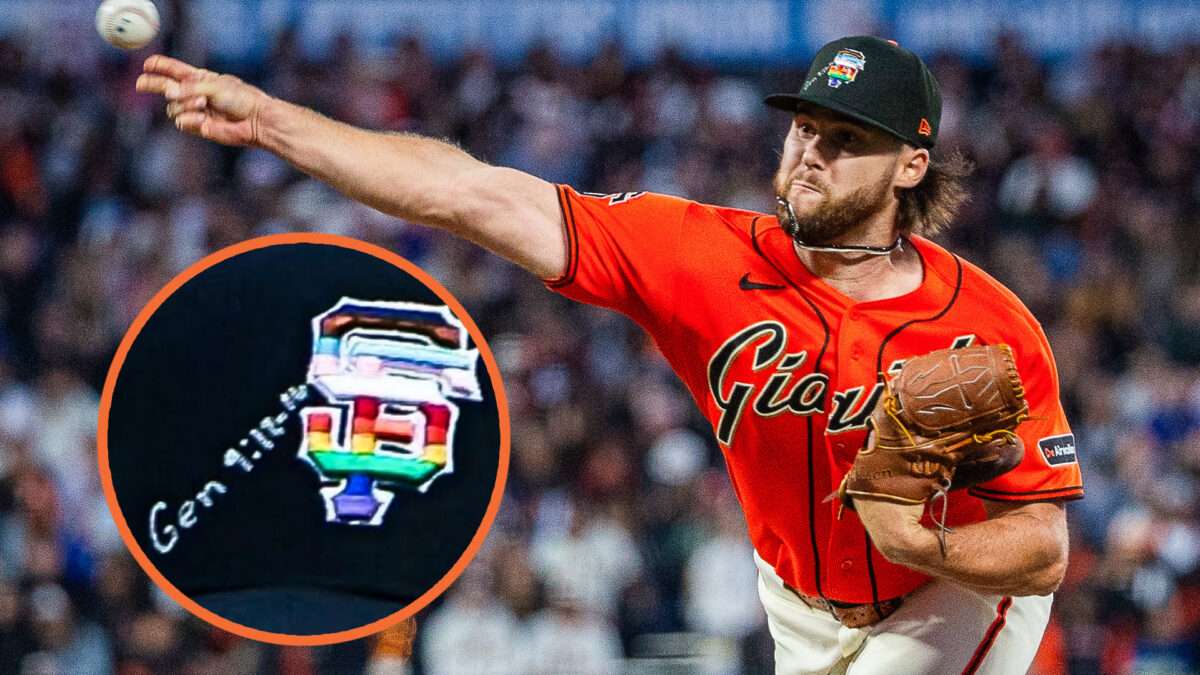
Major League Baseball teams possess legal authority to create and wear Pride uniforms celebrating LGBTQ communities, but the underlying debate reveals a deeper tension in American sports culture.
The First Amendment protects MLB's decision-making here. Teams operate as private entities with constitutional freedom to express messages through uniforms, merchandise, and stadium events. No government restriction prevents Pride celebrations in baseball. Legal authority exists independently of whether individual teams choose to exercise it.
The practical question differs sharply from the constitutional one. Several MLB franchises have already introduced Pride-themed uniforms and hosted Pride nights, generating both enthusiastic fan support and organized backlash from conservative segments. The Arizona Diamondbacks, Colorado Rockies, and others have navigated reactions ranging from celebration to boycott threats.
This mirrors broader corporate America dynamics. Companies regularly calculate business risks when adopting social messaging. Pride uniforms carry potential consequences: alienated customer bases, sponsored merchandise disputes, and internal workforce divisions. Teams must weigh inclusive values against revenue stability and fan retention.
The Reason article's framing suggests constitutional permission does not guarantee practical wisdom. Teams benefit from asking whether Pride uniforms serve their communities authentically or represent performative activism disconnected from genuine organizational commitment to LGBTQ inclusion.
Baseball's historical role matters here. The sport attracts diverse demographic audiences across regional and generational lines. Some franchises operate in communities with strong conservative constituencies. Others anchor progressive-leaning metropolitan areas. Context shapes whether Pride uniforms feel organic to team identity or imposed externally.
The smarter question transcends legal rights. Teams should consider whether Pride initiatives stem from authentic organizational values or external pressure. Authentic commitment means year-round inclusion efforts, workplace policies protecting LGBTQ employees, and community partnerships extending beyond symbolic uniform changes.
The constitutional right to wear Pride uniforms says nothing about whether doing so reflects genuine institutional values or calculating public relations strategy. Teams possess the