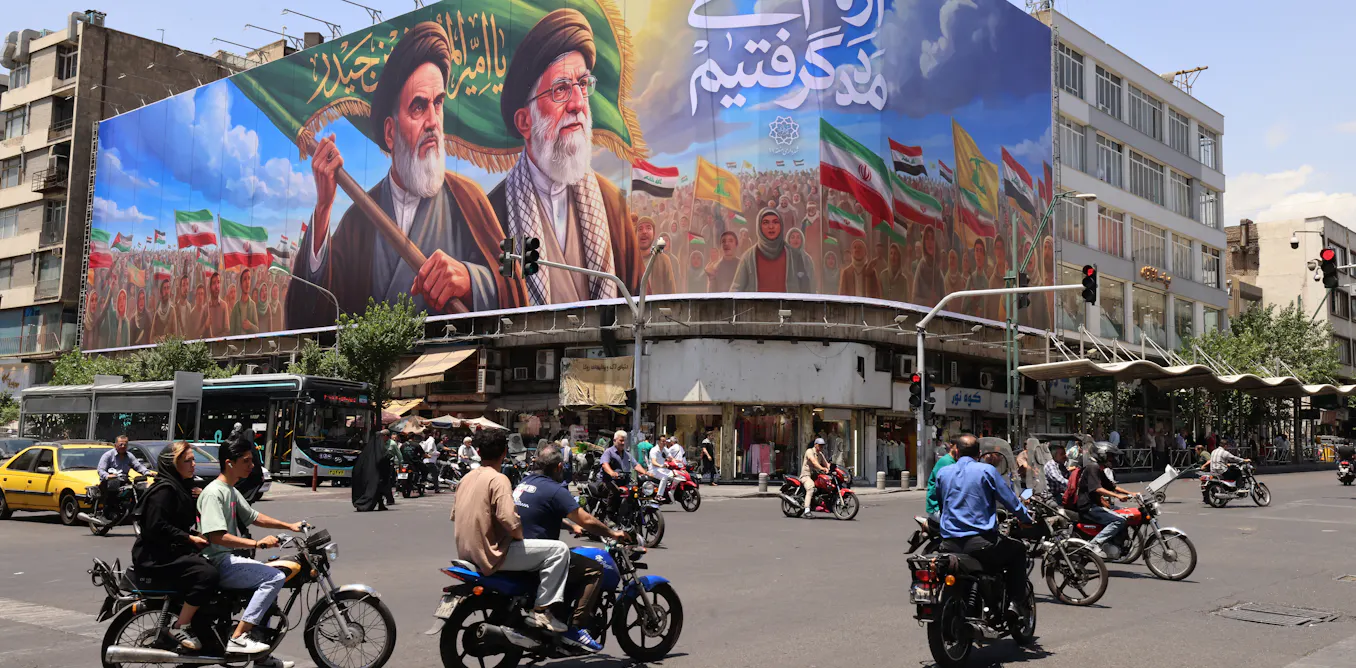
President Trump's proposed ceasefire with Iran leaves Tehran with a strategic advantage that complicates future nuclear negotiations. Under the deal's terms, Iran retains its uranium enrichment capabilities and technical knowledge accumulated over years of atomic development, while simply agreeing to halt further expansion of its nuclear program.
The arrangement effectively returns both nations to prewar conditions without addressing the core dispute that triggered recent hostilities. Iran's nuclear stockpile remains largely hidden from international inspectors, and the Islamic Republic has drawn a clear lesson from the conflict. Trump's willingness to negotiate after military strikes suggests that only possession of a functional nuclear weapon would guarantee immunity from future American or Israeli action.
This creates what analysts call the "indivisibility problem." Iran cannot credibly commit to permanent nuclear restraint when decision-makers in Tehran believe a completed weapon would deter military intervention. The ceasefire removes incentives for nuclear disarmament rather than creating them.
Trump's approach abandons the previous administration's strategy of using maximum economic pressure and the threat of force to compel comprehensive nuclear disclosure and limits. The new deal essentially buys time without resolving whether Iran will eventually pursue weaponization. Iranian officials gain breathing room to continue research and maintain their uranium stockpile while Western powers struggle to verify compliance.
The agreement carries steep costs for future negotiations. Each side must convince the other that non-nuclear arrangements can provide security guarantees. Iran needs assurance against regime change and military attack. The United States and Israel require confidence that Tehran abandons weapons ambitions permanently. Those contradictory demands collide directly when one party views nuclear weapons as the only reliable security guarantee.
Without addressing these fundamental security concerns, subsequent attempts to build a durable nuclear settlement will confront the same structural obstacles that made the original Joint Comprehensive Plan of Action controversial. Trump's ceasefire purchases immediate peace but defers the difficult work of constructing a framework that addresses why both sides