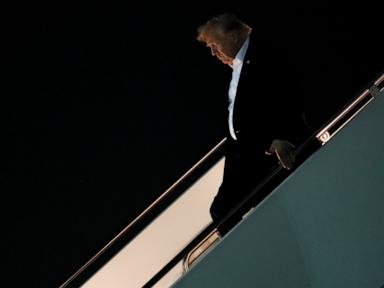
Donald Trump enters his second term with an explicit strategy to expand presidential power beyond traditional constitutional limits, according to reporting on a new book examining his political trajectory. The president frames his 2024 victory as validation for aggressive executive action he views as previously constrained by institutional opposition.
Trump's approach marks a deliberate shift from his first term, when he described himself as "hunted" by investigations and political adversaries. He now positions himself as the "hunter," using expanded executive authority to pursue policy goals and settle political scores. This mindset shapes his administration's early moves on regulatory policy, pardons, and personnel decisions.
The strategic pivot reflects Trump's interpretation of his election results as a mandate to challenge longstanding checks on executive power. His team has signaled plans to test legal boundaries through executive orders that previous administrations deemed overreach. Areas of focus include immigration enforcement, federal workforce restructuring, and the use of pardon authority.
Legal scholars and government watchdogs flag concerns about the sustainability of this approach. Courts have previously blocked Trump administration actions deemed beyond executive scope, particularly on immigration policy and the use of emergency powers. The second-term strategy appears designed to push further and faster, potentially forcing judicial intervention.
Congressional Republicans control both chambers, reducing institutional resistance Trump faced in his first term. This shifts the balance of power toward the executive branch and reduces the likelihood of legislative oversight. Democratic opposition alone cannot constrain executive action without Republican defection on specific matters.
Trump's confidence in testing executive limits reflects his belief that the American electorate endorsed his political style and policy preferences decisively. Whether courts and institutional practices hold firm against expanded presidential power remains the central question shaping his second term. His willingness to pursue aggressive executive actions from day one suggests he intends to answer that question directly.