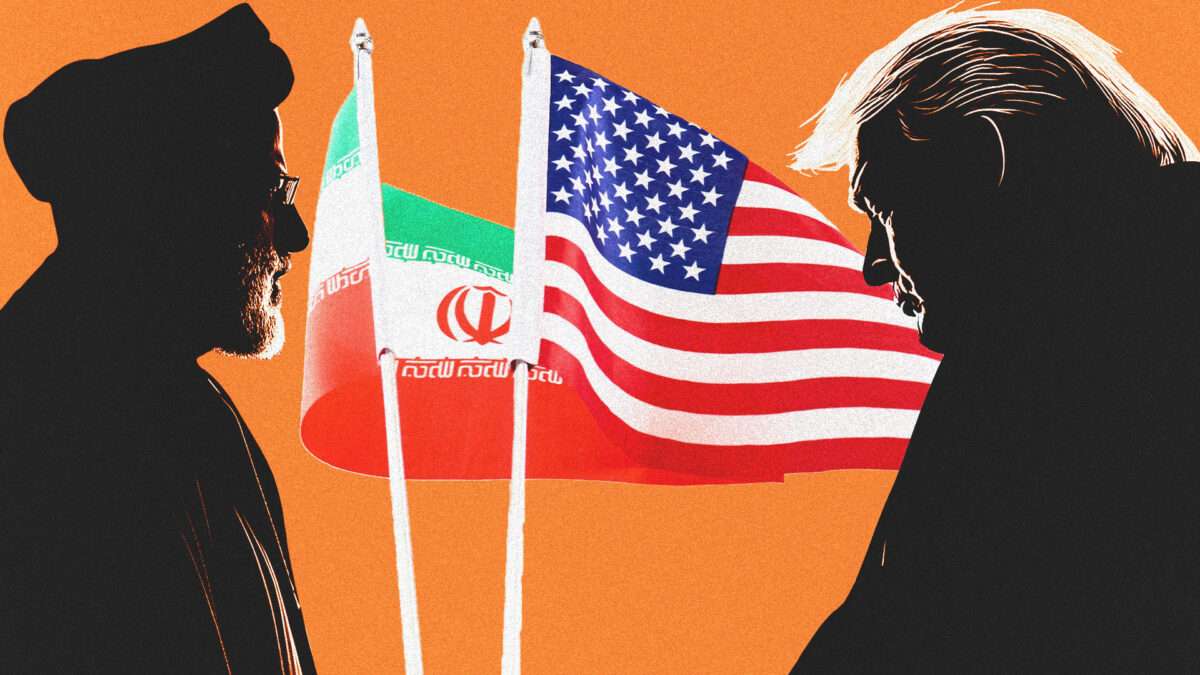
The U.S. and Iran are negotiating a deal that trades nuclear restrictions for sanctions relief, a classic diplomatic exchange that critics mischaracterize as weakness. The arrangement requires Iran to accept limits on its nuclear program while the United States eases economic sanctions that have crippled Iran's economy.
Hard-line opponents on both sides frame this as surrender. American hawks argue that lifting sanctions rewards Iranian aggression and strengthens a hostile regime. Iranian hardliners similarly claim that accepting nuclear constraints betrays national sovereignty. Both positions reflect a fundamental misunderstanding of how diplomacy works.
Effective negotiation means each party surrenders something valued in exchange for something it values more. Iran trades nuclear development capacity for economic breathing room and access to global markets. The U.S. trades immediate economic pressure for verifiable constraints on Iran's path to weapons capability. Neither side gets everything it wants. Both sides get something meaningful.
The alternative to this compromise is the status quo: Iran advancing its nuclear program with limited international interference, while sanctions create humanitarian costs that harden Iranian positions against Western engagement. Escalation risks military conflict that destabilizes the Middle East and exposes American forces to direct confrontation.
Critics who demand "unconditional surrender" from Iran ignore that countries don't surrender without military defeat. Iran maintains the capacity to resume nuclear work if negotiations collapse. The U.S. maintains the capacity to reimpose sanctions or conduct military strikes. Both nations retain leverage.
What matters is whether the agreement includes verification mechanisms that catch Iranian cheating and provide time for international response. Robust inspection protocols, snap-back sanctions clauses, and clear trigger points for escalation transform a mere handshake into a binding constraint.
Calling compromise surrender confuses strength with intransigence. Real strength appears in securing verifiable commitments that serve national security. Weakness appears in refusing any deal that doesn't grant total victory, leaving threats to