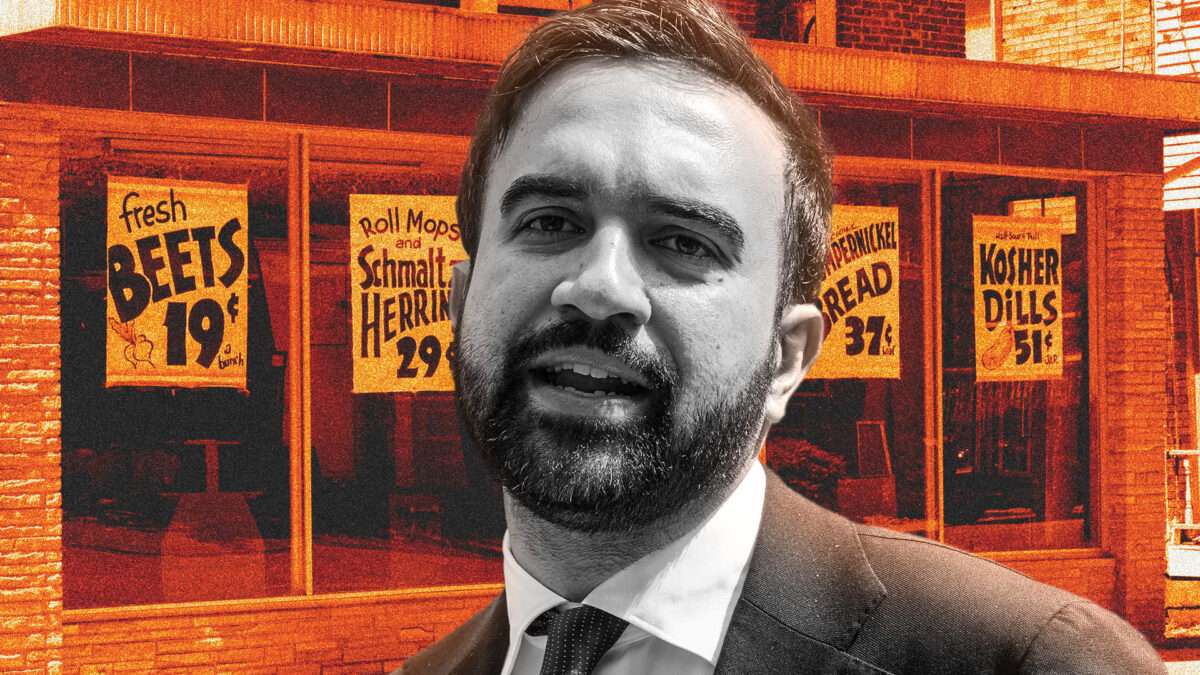
New York City Mayor Zohran Mamdani is pursuing a municipal grocery initiative without conducting impact assessments on existing independent bodegas, which operate on razor-thin margins in the city's neighborhoods.
The city plans to launch taxpayer-funded grocery stores as a response to food deserts and retail gaps in underserved areas. Mamdani, who has publicly praised bodegas as cultural institutions and economic anchors in low-income communities, has not commissioned studies examining how government-backed competitors would affect these existing small businesses.
Bodegas in New York typically operate on profit margins between 2 and 5 percent, making them vulnerable to competition from publicly subsidized alternatives. The absence of analysis on competitive impact raises questions about whether the city's intervention creates unintended economic harm to the very entrepreneurs and communities it claims to serve.
The initiative reflects tension between Mamdani's stated support for neighborhood businesses and his administration's retail strategy. Public funding gives municipal grocery stores advantages independent retailers cannot match. Bodegas already face pressure from larger chains and changing consumer habits. A government-backed grocery operation in the same neighborhood could accelerate closures of long-standing family businesses.
City officials have not released data on how many bodegas operate near proposed municipal store locations or what sales displacement might occur. The lack of due diligence before launch suggests the administration prioritized opening stores over understanding neighborhood economic consequences.
Mamdani has built his political identity partly on championing small merchants and defending traditional retail against corporate consolidation. The grocery initiative, however, positions city government itself as a competitor to mom-and-pop operations. This contradiction exposes a gap between the mayor's rhetoric and his policy execution.
The situation reflects broader tensions in urban governance. Cities frequently pursue well-intentioned interventions in retail markets without rigorous analysis of secondary effects. Bodegas have survived decades partly because