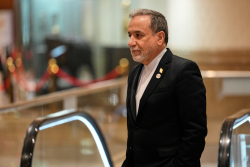
Diplomatic preparations for U.S.-Iran negotiations reveal deep skepticism on both sides, even as officials express commitment to avoiding complete breakdown in talks. Sources close to the negotiations indicate that neither government wants the process to fail outright, yet both expect significant obstacles rooted in years of mistrust and competing strategic interests.
The talks come after a period of heightened tensions between the two nations. Washington and Tehran have fundamentally different positions on key issues, including Iran's nuclear program, sanctions relief, and regional military activities. Diplomats acknowledge that bridging these gaps will require sustained effort and willingness to compromise from both parties.
American negotiators face pressure from Congress and regional allies, particularly Israel and Saudi Arabia, who remain skeptical of any deal that does not severely constrain Iranian capabilities. Tehran, meanwhile, must satisfy hardliners at home who oppose concessions to the United States and fear that any agreement could be reversed by a future American administration.
The distrust stems partly from the Trump administration's 2018 withdrawal from the Joint Comprehensive Plan of Action, the nuclear agreement negotiated under President Barack Obama. That decision undermined Iranian confidence in American commitments and raised questions about the durability of any new accord.
Negotiators on both sides acknowledge these realities while maintaining that dialogue remains preferable to escalation. American officials emphasize their willingness to engage seriously, while Iranian representatives have signaled openness to talks without preconditions. However, preliminary meetings have exposed disagreements over sequencing, transparency measures, and verification mechanisms.
The road ahead requires both governments to move past recrimination and focus on areas of potential common ground. Energy security, regional stability, and nuclear nonproliferation concerns create limited space for agreement. Success depends on whether Washington and Tehran can construct confidence-building measures that satisfy domestic constituencies while producing tangible progress on substantive issues.