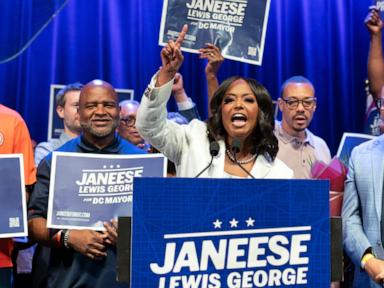
Democratic socialists and progressive candidates are gaining momentum in mayoral races nationwide, riding a wave of anti-Trump sentiment heading into 2025. Janeese Lewis George, a Democratic Socialist serving on the D.C. Council, exemplifies this trend as she campaigns for mayor of the nation's capital.
Lewis George has built a reputation championing affordable housing, tenant protections, and aggressive climate action. Her candidacy reflects broader shifts in urban politics, where younger voters and progressives increasingly back candidates further left than traditional Democratic establishments. She frames her platform against what she calls the failures of moderate governance in addressing homelessness, inequality, and corporate influence.
The movement extends beyond Washington. Progressive and socialist-backed candidates are running competitive mayoral campaigns in major cities including New York, Los Angeles, and Philadelphia. These campaigns tap into frustration with incumbent administrations over housing affordability, public safety, and pandemic recovery.
The anti-Trump environment amplifies their appeal. Many progressive voters, energized by opposition to Republican governance, view mayoral races as opportunities to push Democratic parties leftward on local issues where socialism's economic arguments resonate more directly. Housing shortages, wage stagnation, and wealth inequality dominate urban agendas, making socialist critiques of capitalism particularly relevant.
However, these candidates face real obstacles. Moderate Democrats control many party structures. Establishment figures question whether progressive proposals are fiscally feasible for municipal budgets. Concerns about implementing policies like guaranteed housing or radical police reform persist among swing voters essential to winning general elections.
Lewis George's race in D.C. serves as a test case. As a sitting council member with institutional credibility, she bridges progressive ideology with governing experience. Her performance could shape whether democratic socialists consolidate gains or face electoral setbacks in mayoral contests.
The moment reflects genuine ideological competition within the Democratic Party at the local level, driven by both generational change and