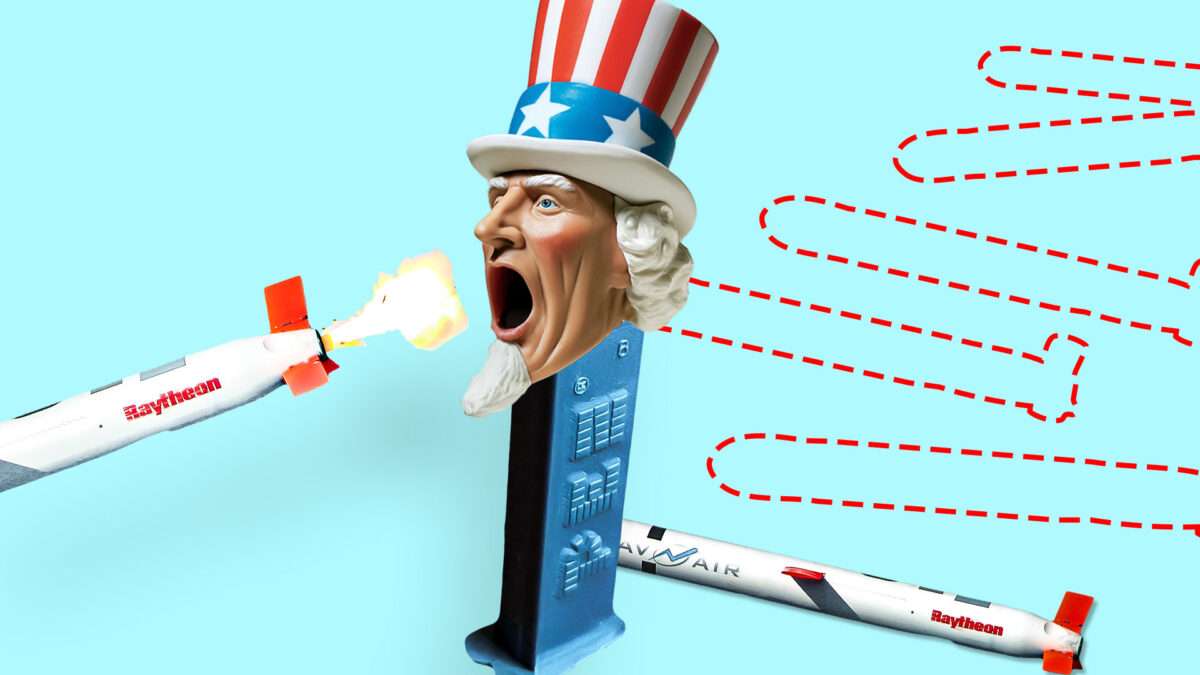
The U.S. military faces a critical supply shortage. American forces have depleted their inventory of air-defense missiles at an alarming rate while conducting strikes against Iranian-backed forces in the Middle East. The core problem is brutal arithmetic. Adversaries manufacture inexpensive drones and attack systems faster than American defense contractors can produce interceptor missiles, which cost hundreds of thousands of dollars each.
This disparity creates an asymmetric warfare nightmare. A single drone, costing between $10,000 and $50,000, can force the launch of a missile worth $500,000 to $1 million. When enemies launch coordinated attacks with dozens of cheap unmanned systems, the Pentagon exhausts expensive air-defense stockpiles within months. The U.S. military industrial base cannot manufacture replacement missiles quickly enough to match the depletion rate.
The problem emerged sharply during recent operations targeting Iranian militias in Iraq and Syria. After using interceptors to defend against drone strikes, the military discovered its reserves critically low. Pentagon planners now face difficult choices about which threats to defend against and which to accept, a reversal of Cold War assumptions about American military dominance.
This shortage has exposed weaknesses in the defense industrial base. American missile manufacturers operate below capacity partly because Pentagon procurement moves slowly and budget cycles remain inflexible. Expanding production requires capital investment, new facilities, and workforce training. These changes take years, not months.
The shortage affects strategic planning across the military. Air defense commanders must conserve missiles, meaning some attacks go unintercepted. Naval vessels operate with limited air-defense ammunition. The problem extends beyond the Middle East as the Pentagon confronts potential drone proliferation worldwide.
Pentagon officials acknowledge the crisis. They have requested emergency funding for accelerated missile production and alternative air-defense systems. Some proposals include developing cheaper interceptors, enhancing electronic warfare capabilities, and deploying kinetic