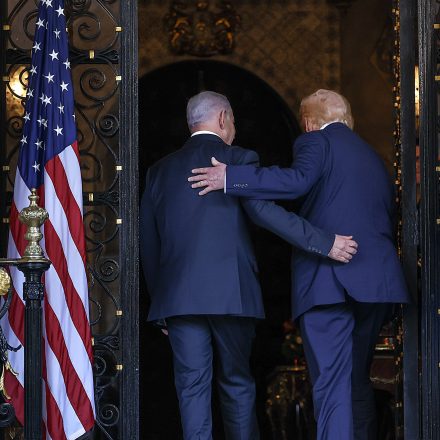
Iran and the United States have announced a deal to end cycles of war in Gaza, but the agreement faces skepticism from analysts who view it as largely performative. Tariq Kenney-Shawa and Jonah Valdez examine the practical reality of ceasefire arrangements since Israel implemented what they characterize as a "pseudo-ceasefire" in October 2025.
The discussion centers on the gap between ceasefire announcements and on-the-ground conditions in Gaza. While diplomatic agreements claim to halt hostilities, previous arrangements have failed to deliver sustained peace or meaningful humanitarian access. The October 2025 ceasefire, labeled as pseudo in nature, suggests the arrangement lacked genuine commitment to ending violence or addressing underlying grievances.
The Iran-U.S. deal marks another diplomatic attempt to stabilize the region, but the framing as performative indicates the agreement may serve political purposes without producing substantive change. International agreements often face implementation challenges when parties lack enforcement mechanisms or sufficient political will to uphold terms.
Kenney-Shawa and Valdez's analysis reflects broader skepticism about ceasefire effectiveness in the Gaza conflict. Repeated cycles of announced halts followed by renewed violence have eroded confidence in diplomatic solutions. The underlying disputes over territory, governance, and security arrangements remain unresolved through these agreements.
The timing of the Iran-U.S. deal comes amid continued tensions in the Middle East. Both nations have incentives to appear committed to de-escalation, yet structural obstacles persist. Without addressing root causes of conflict or establishing robust monitoring mechanisms, subsequent ceasefires risk repeating previous patterns.
The assessment that ceasefires function performatively raises questions about international diplomacy's effectiveness in protracted conflicts. When agreements lack teeth and previous arrangements dissolve quickly, each new deal requires renewed skepticism. The Gaza conflict demonstrates how diplomatic language can mask continued inst