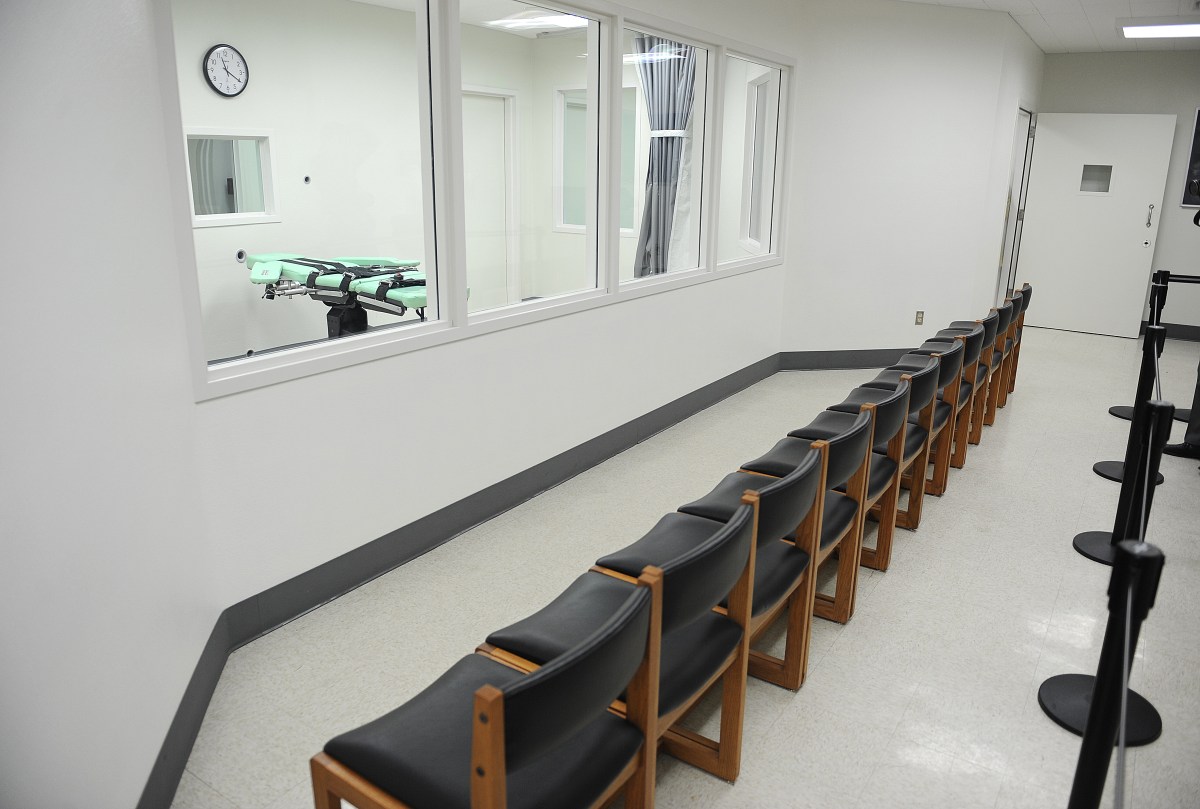
Indiana enacted legislation prohibiting news media from witnessing executions, citing concerns about maintaining "dignity" in capital punishment proceedings. The state's new law restricts press access to death penalty cases, effectively shielding execution procedures from public scrutiny.
The restriction reflects a broader tension between state control over execution processes and the press freedom traditionally used to document government actions. Indiana officials framed the ban as protecting the decorum of executions, but the policy operates as a mechanism to prevent transparency rather than ensure it.
Execution secrecy serves state interests more than condemned individuals or their families. Without media witnesses, the public loses independent documentation of how executions proceed, what drugs are administered, and whether protocols are followed. This opacity has historically enabled troubling practices. Previous executions documented by journalists revealed botched procedures, lengthy dying processes, and questionable medical protocols that state officials preferred remained unknown.
The press has long served as a check on government power in sensitive areas like criminal justice. Journalists present at executions provide accounts that state officials cannot control or shape. When Indiana removes this oversight, it removes a layer of accountability for how the state conducts capital punishment.
The "dignity" argument inverts the actual relationship. Executions conducted in secret lack democratic legitimacy. Citizens cannot meaningfully debate capital punishment policy if they cannot witness how it operates. The public interest in knowing whether executions are carried out humanely outweighs state preferences for conducting them behind closed doors.
Indiana joins other states restricting execution visibility, a trend that normalizes government action shielded from public view. The implication matters beyond death penalty debates. When states successfully argue that transparency itself undermines dignity, they establish precedent for restricting press access in other contexts involving state power over vulnerable populations.
A functioning democracy requires visibility into how government exercises its most extreme powers. Indiana's ban removes that visibility under the guise of respectability. The result transfers dignity