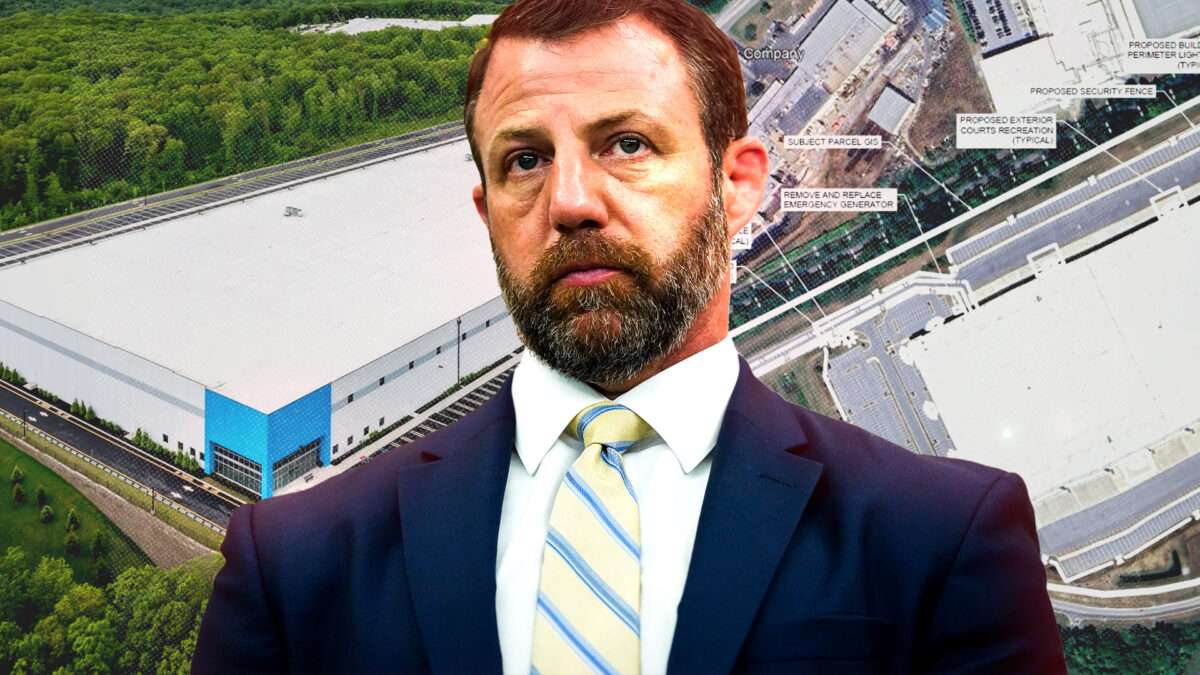
The Department of Homeland Security shelved its plan to convert seven warehouses into migrant detention facilities, moving instead to sell or transfer the properties. The agency had acquired the buildings as part of its effort to expand detention capacity under the Biden administration's immigration enforcement operations.
The reversal reflects shifting priorities within DHS and changing detention needs. The agency initially sought to expand its physical infrastructure for holding migrants as border apprehensions fluctuated. Federal officials justified the warehouse purchases as necessary to manage migrant flows without relying solely on contract detention facilities operated by private companies.
The decision to divest from the warehouse strategy comes as DHS faces operational challenges and budgetary pressures. The agency has struggled with balancing detention capacity demands against public criticism over conditions in immigrant holding facilities. Migrant advocacy groups have long opposed expansion of detention infrastructure, arguing the system prioritizes enforcement over humanitarian concerns.
Offloading the properties also signals potential changes in how the federal government approaches detention logistics. Rather than investing in owned facilities, DHS may lean more heavily on existing partnerships with state and local governments and contract detention providers. This approach offers flexibility but typically costs more per detainee than government-operated facilities.
The warehouse plan represented a significant infrastructure commitment under Biden's immigration enforcement posture. The administration maintained Title 42 expulsion authorities inherited from the Trump administration and pursued deportations, though it pursued different policies on asylum and refugee admissions.
The reversal carries political implications heading into 2024. Republicans have criticized Biden's immigration enforcement as insufficient, while Democrats have faced pressure from immigrant advocates to reduce detention reliance. The property sales remove a visible symbol of detention expansion without necessarily changing the scale of enforcement operations.
The DHS decision suggests the agency recognized operational or financial obstacles to the warehouse conversions, though specific reasons remain unclear. Converting commercial space into federally-managed detention requires significant regulatory compliance and security infrastructure investments.