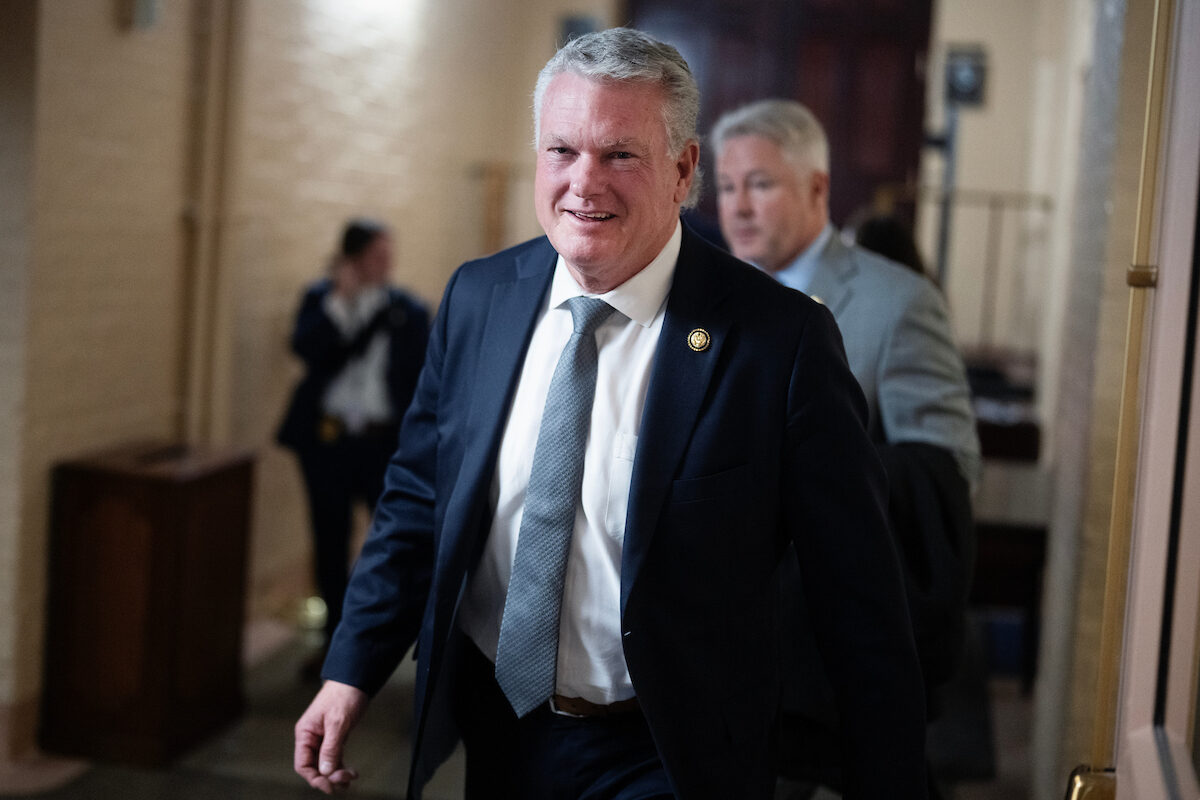
Republican Senate candidates backed by Donald Trump swept primary runoffs in Georgia and Alabama on Tuesday, advancing to November's general election. Rep. Mike Collins won Georgia's GOP Senate nomination after securing Trump's endorsement just two days earlier. Trump's Alabama choice also prevailed in that state's runoff contest.
The victories give Trump's endorsement record a mixed performance this month. While his Senate picks succeeded, Trump suffered a second gubernatorial setback when his chosen candidate failed in a Republican governor's race. This split result reflects the varying influence Trump maintains within the party across different races and states.
Collins' Georgia victory positions him for a general election matchup that could reshape the state's Senate delegation. Georgia has emerged as a pivotal battleground in national elections, making the Republican primary outcome consequential for 2024. Trump's late-stage endorsement proved effective in the compressed timeframe before the runoff vote.
The Alabama result similarly strengthens Trump's preferred candidate heading into November's general election. Both races will test whether Republican voters in these traditionally conservative states align with Trump's picks when facing Democratic opponents.
Trump's mixed results this cycle highlight the limits of his endorsement power in some contests while demonstrating its continued relevance in Senate races. Republican primary voters in both states responded positively to his backing, but gubernatorial voters elsewhere rejected his preferred candidate. As Trump continues playing a major role in Republican primary politics, these races underscore how his influence fluctuates depending on the office, state, and political environment.
The general election campaigns in Georgia and Alabama will now begin with Trump-endorsed Republicans as the GOP nominees.