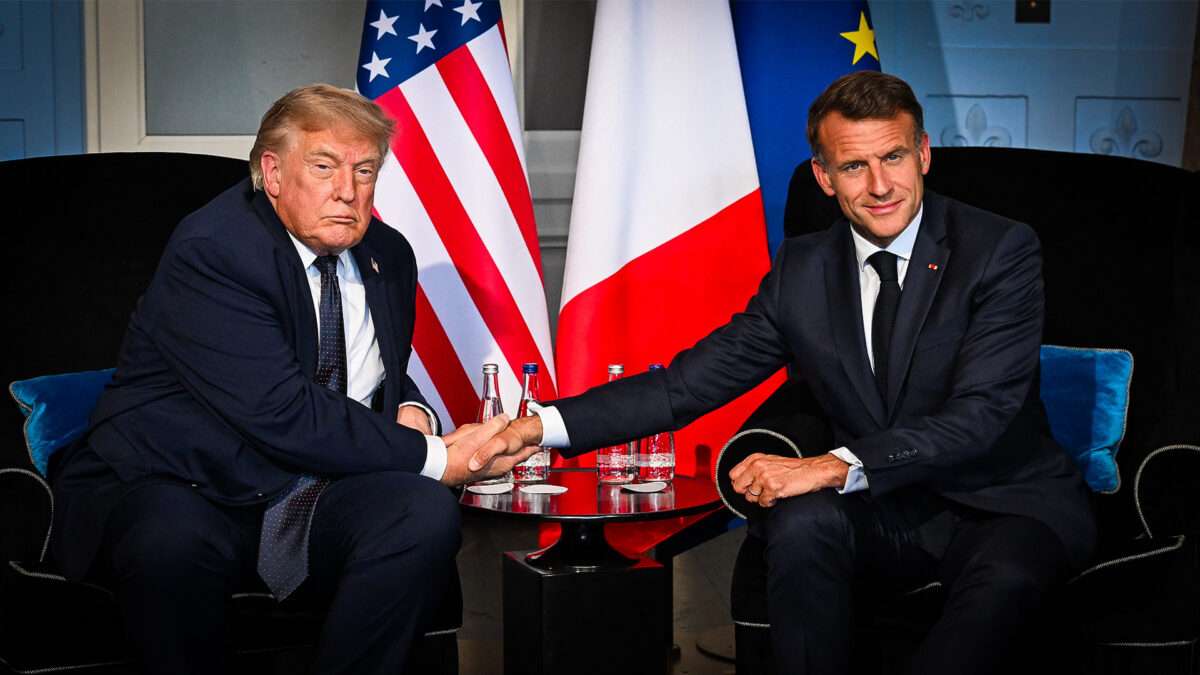
European nations face mounting pressure to expand defense spending and military capacity as the United States signals reduced willingness to underwrite continental security. The G7 summit occurs amid broader tensions over burden-sharing within NATO, where American leaders have repeatedly criticized allies for failing to meet spending commitments.
The Trump administration's push for increased European defense investment reflects longstanding Republican skepticism toward traditional alliance structures. European leaders acknowledge the necessity of building stronger independent military capabilities, yet economic constraints and political divisions complicate rapid expansion.
Several European nations have announced defense budget increases in recent years. Poland, Germany, and France each committed to higher military expenditures, partly responding to Russian aggression in Ukraine. However, disagreement persists on how to coordinate defense procurement and establish unified command structures across the continent.
The political calculus shifts significantly depending on American electoral outcomes. Democratic administrations typically emphasize NATO solidarity, while Republican approaches stress reciprocal cost-sharing. This unpredictability encourages European strategic autonomy regardless of who holds the White House.
European defense integration faces practical obstacles beyond funding. The continent lacks unified command authority comparable to NATO structures. Member states prioritize national interests in weapons procurement, creating supply chain inefficiencies. The European Union's defense initiatives, including the European Defense Fund, operate separately from NATO machinery, creating institutional friction.
Ukraine's ongoing conflict accelerates this reckoning. European nations now recognize that deterrence requires capabilities independent of American commitment. Germany's historical reluctance to military spending has shifted notably, with Berlin pledging substantial increases to its defense budget.
The G7 summit discussions reveal consensus that Europe must invest more in defense. The debate centers on how quickly this transition occurs and whether NATO structures adapt or whether parallel European institutions develop. American demands for greater responsibility-sharing create incentive for Europe to develop credible independent deterrence, particularly against Russian military power.
Whether Europeans follow through with sustained commitment remains uncertain. Political opposition to