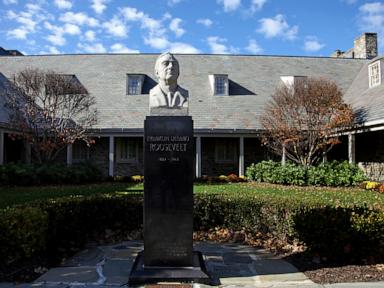
The Obama Presidential Center opens its doors to the public on June 19, marking another addition to America's presidential library system. Franklin Roosevelt established the modern model for these institutions in the late 1930s, creating a framework that has shaped how the nation preserves and displays presidential records for generations.
Presidential libraries serve as repositories for official documents, correspondence, photographs, and artifacts from each administration. They function as both museums and research facilities, allowing scholars and the public to examine the historical record of presidential leadership. The system expanded significantly after Roosevelt's initiative, with subsequent presidents establishing their own centers to house their legacies.
The Obama Presidential Center, located in Chicago, Illinois, represents the latest evolution of this tradition. It combines archival work with public exhibitions designed to engage visitors with recent American history. The center houses materials from Barack Obama's two terms as president, from 2009 to 2017, including records of major events like the financial crisis response, healthcare reform, and foreign policy decisions.
Each presidential library reflects the priorities and personality of the president it represents. They range from modest facilities to substantial complexes like the George W. Bush Presidential Center in Dallas. Beyond storing documents, these institutions host educational programs, lectures, and exhibitions that interpret presidential history for diverse audiences.
The establishment of presidential libraries predates the formal system Roosevelt created. However, his initiative transformed them into institutionalized repositories with professional standards. Today, the National Archives oversees most presidential libraries, ensuring consistent preservation and public access to the records of American chief executives.
The opening of the Obama Presidential Center demonstrates the continuing relevance of Roosevelt's model more than eighty years later. The center serves as a bridge between scholarly research and public understanding, allowing Americans to engage directly with the materials that define recent presidential history.