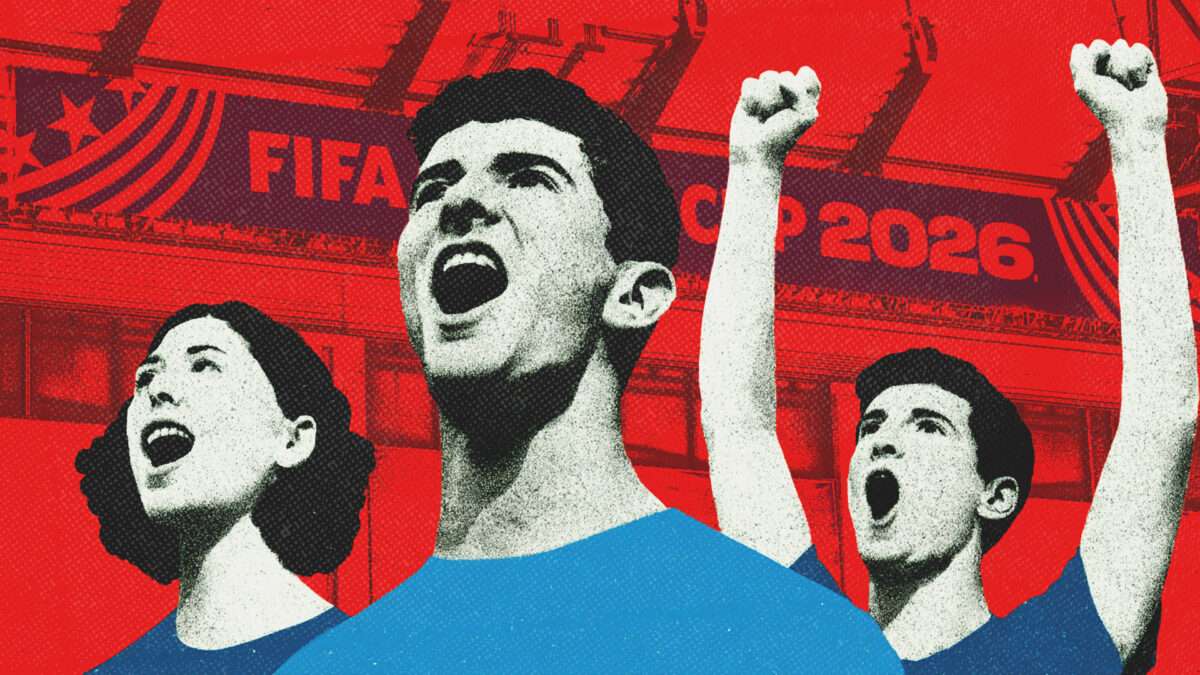
President Trump views the influx of international visitors attending the World Cup in the United States with suspicion, framing their arrival as a potential security threat rather than an economic or cultural opportunity. This stance contrasts sharply with how many American business leaders and hospitality sectors view the tournament as a chance to showcase U.S. infrastructure and generate revenue.
The Trump administration's hardline immigration posture extends to major sporting events, reflecting broader skepticism toward foreign nationals entering the country. Officials in his camp have raised concerns about vetting procedures and border security protocols during the tournament, emphasizing enforcement over facilitation.
Meanwhile, the hospitality industry, tourism boards, and local governments across host cities push back against this framing. They highlight the economic windfall World Cup hosting delivers. Hotels, restaurants, transportation services, and entertainment venues stand to benefit from millions of international tourists. Cities like Miami, Los Angeles, and Dallas view the tournament as validation of American infrastructure and a chance to build lasting international relationships.
The article also examines how the UFC and mixed martial arts have transformed from fringe entertainment into mainstream political players. What once faced regulatory opposition now enjoys bipartisan political support and serves diplomatic functions. UFC executives and fighters attend high-profile political events, and the sport's influence extends into foreign policy discussions. This shift reflects how alternative sports have penetrated establishment circles, providing politicians access to younger, less traditional voter demographics.
The contrast between Trump's restrictive World Cup stance and broader American interest in international engagement exposes tensions within Republican and conservative circles over isolationism versus global commerce. Business-friendly Republicans emphasize the tournament's financial benefits, while Trump's immigration-focused faction prioritizes border control optics over tourism revenue.
The UFC example further illustrates how political actors exploit sporting platforms for cultural and diplomatic purposes, blurring lines between entertainment, commerce, and statecraft.