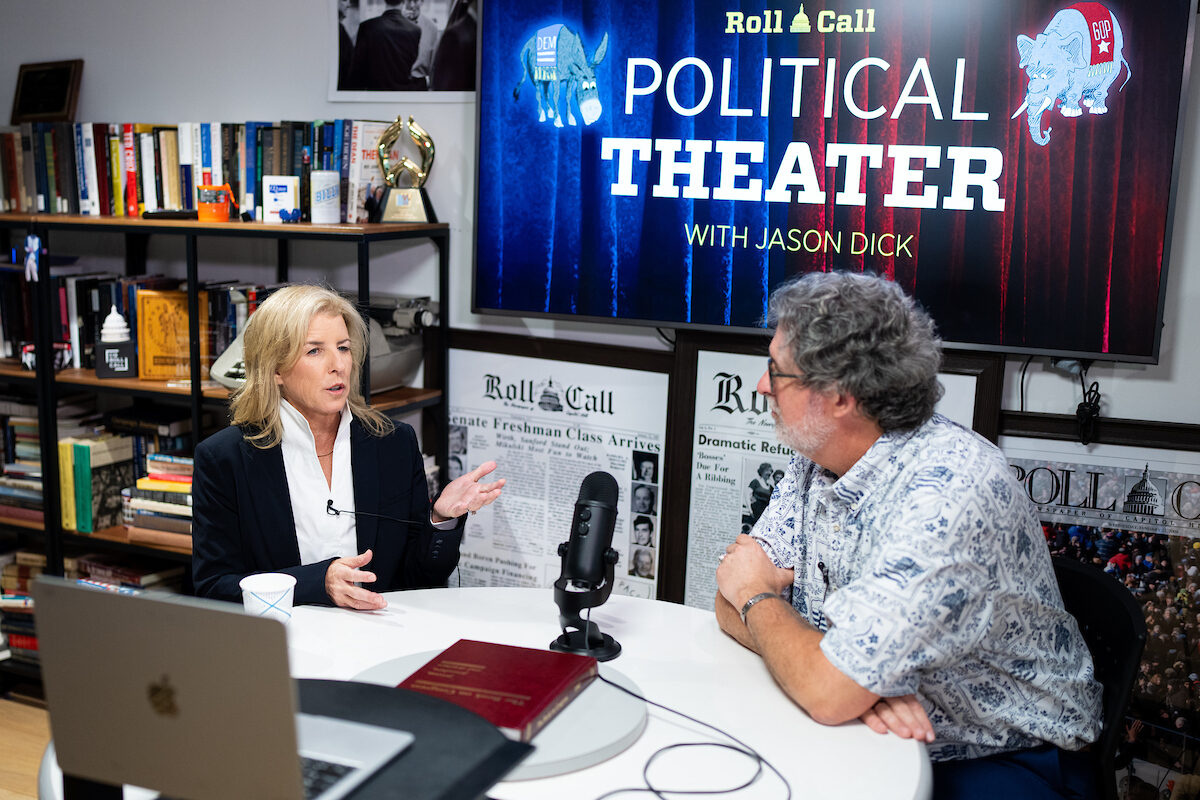
Filmmaker Rory Kennedy returns with "Freefall: A Reckoning for Boeing," a follow-up to her 2022 documentary "Downfall: The Case Against Boeing." The new film examines why Boeing's quality control problems persist despite widespread public exposure of the company's safety failures tied to multiple aircraft crashes.
Kennedy's documentaries frame Boeing's crisis as a story of institutional failure. The 2022 film established how the company's push for profit prioritized speed over safety, resulting in crashes that killed hundreds. The new sequel confronts a troubling reality. Despite the initial documentary's impact and subsequent congressional scrutiny, Boeing continues facing production and safety issues.
The timing of "Freefall" proves telling. Boeing has endured ongoing crises, including a January 2024 incident involving a door plug blowout on a 737 MAX 9 aircraft. The company faced federal investigations, temporary production freezes, and mounting pressure from regulators and customers. Yet fundamental changes to corporate culture and accountability structures remain limited.
Kennedy's filmmaking approach treats documentary sequels as accountability journalism. Rather than simply revisiting old ground, she examines why systemic problems outlast scandal. This raises questions about regulatory enforcement, corporate governance, and whether public exposure alone drives genuine reform in the aerospace industry.
The documentary implicitly challenges multiple actors. Boeing's leadership faces scrutiny for maintaining prioritized growth over safety culture. The Federal Aviation Administration confronts questions about oversight intensity. Congress must justify whether legislative action matched the severity of documented failures. Investors and customers also bear responsibility for continuing financial support despite safety records.
"Freefall" suggests that documentaries, however impactful, cannot force institutional change alone. Structural reform requires regulatory teeth, shareholder activism, and competitive pressure from customers. Kennedy's work functions as both journalism and implicit critique of American industry accountability mechanisms.
The