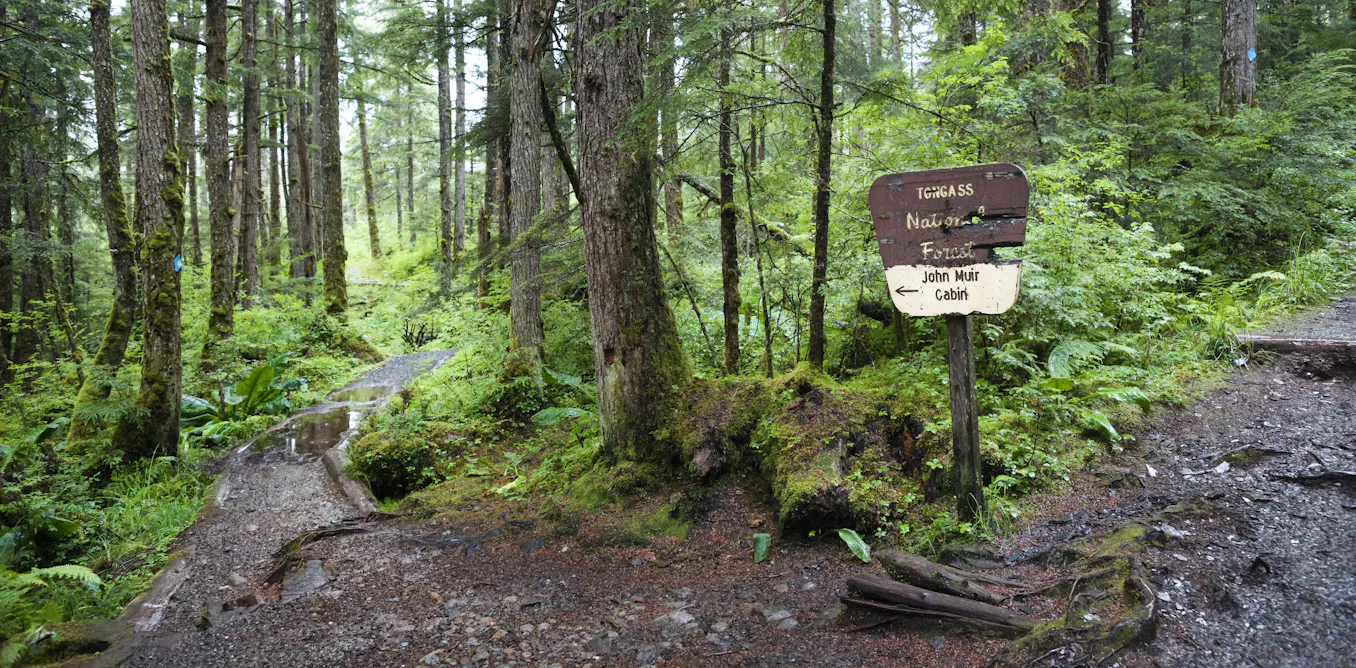
The Trump administration is moving to dismantle the Roadless Rule, a Clinton-era regulation that prohibited road construction on 58 million acres of national forest land. The policy has preserved some of America's most pristine wilderness areas for three decades, protecting critical wildlife habitat, water sources, and some of the nation's last truly quiet spaces.
Environmental groups and conservation advocates warn that eliminating the rule would open these roadless forests to logging, mining, and oil and gas development. The removal would fragment habitats for endangered species, degrade water quality in regions where national forests serve as major drinking water sources, and destroy the ecological integrity of ecosystems that have remained largely undisturbed since 2001.
The rule has become a flashpoint in the broader conflict between development interests and environmental protection. Timber and energy industries have long pushed for access to roadless forest areas, arguing that roads are necessary for resource extraction and forest management. Supporters of the rule counter that the supposed economic gains from development pale against the ecosystem services and recreational value that roadless forests provide.
Beyond ecological concerns, conservationists emphasize the cultural and psychological value of roadless wilderness. In an increasingly urbanized and digitally saturated nation, these areas represent irreplaceable refuges offering silence, solitude, and connection to the natural world. Once roads pierce these forests, restoration becomes virtually impossible.
The policy change reflects the administration's broader deregulation agenda and signals priority for extractive industries over preservation. Congressional Democrats and environmental organizations have vowed legal challenges if the rule is rescinded. Several states with significant roadless forest acreage have indicated they may pursue their own protections.
The rollback represents a fundamental shift in how the federal government manages public lands, privileging short-term resource extraction over long-term conservation and the intangible benefits that undisturbed wilderness provides to society.