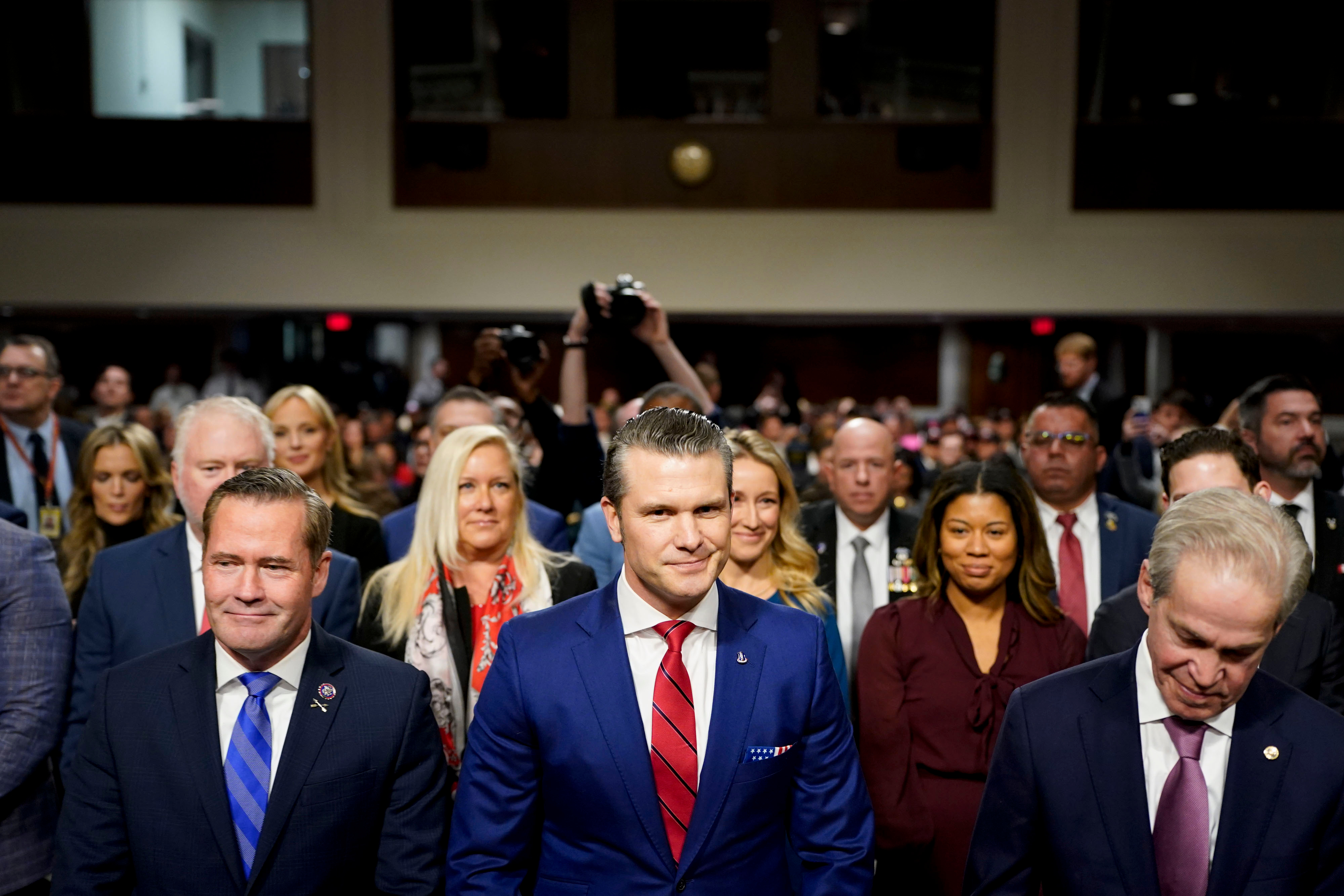
An Army whistleblower who initially supported Pete Hegseth changed her stance after the military allegedly concealed evidence of child abuse at a military daycare facility, according to reporting from The Intercept.
The whistleblower's child was abused at an Army daycare center. When the mother requested video evidence of the incident, Army officials told her no recording existed. Months later, the military produced the video, contradicting its earlier denial.
This case represents part of a broader pattern. Military daycare centers have repeatedly obstructed investigations into child abuse allegations. Parents seeking accountability have encountered systematic delays, missing documentation, and shifting explanations from Army personnel responsible for facility oversight.
The timing of this disclosure carries political weight. Hegseth, President Trump's Secretary of Defense nominee and former Fox News host, had positioned himself as a champion of military readiness and institutional reform. The whistleblower's disillusionment with Hegseth stems from the Pentagon's handling of abuse cases under his watch and the broader culture of institutional protection over victim support.
The Army's pattern of obstruction raises governance questions about accountability within the Department of Defense. When parents cannot access evidence of crimes against their children, institutional trust erodes. The military's daycare system serves thousands of service members' families, making transparency and rapid response to abuse allegations essential to force readiness and recruitment.
The case also reflects broader debates about military culture. The Pentagon has faced recurring criticism for mishandling sexual assault and abuse cases across all branches. Meaningful reform requires independent investigation capabilities and mandatory transparency protocols that current military structures appear to resist.
This account suggests that even those initially aligned with defense leadership priorities, like the whistleblower who believed in Hegseth's agenda, will demand institutional accountability when personal stakes involve child safety. The Pentagon's response to such cases will define whether leadership truly prioritizes service members and their families or defaults to