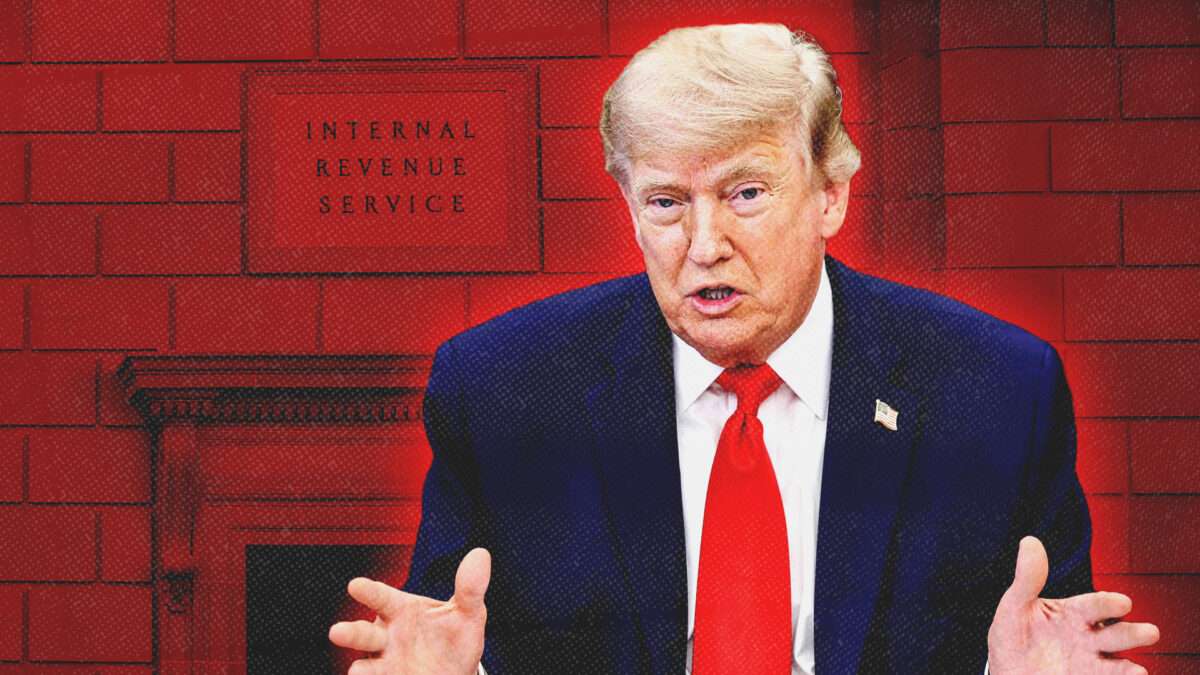
President Donald Trump's legal team defended a settlement resolving his lawsuit against the Internal Revenue Service by arguing there was "no evidence" of wrongdoing or self-dealing in the arrangement. Trump's lawyers presented the settlement, which they characterized as a straightforward business resolution, to a federal judge as routine Department of Justice practice.
The lawsuit, which Trump filed against the IRS, contained significant legal vulnerabilities that made it unlikely to succeed on its merits. Trump's attorneys argued the settlement terms represented standard government negotiation rather than an improper arrangement that benefited the president personally.
The characterization of the settlement as Trump's "settlement with myself" raised questions about potential conflicts of interest, given Trump's dual role as both the plaintiff and the sitting president controlling the DOJ. Critics have questioned whether the agreement amounted to an abuse of executive power, using federal resources to resolve a personal legal dispute on favorable terms.
Trump's legal team rejected allegations of collusion or fraud in structuring the deal. They contended the DOJ followed normal procedures and that no special treatment occurred. The lawyers presented documentary evidence to support their position that the settlement reflected legitimate negotiation practices between parties.
The case reflects ongoing tensions over Trump's business interests and presidential powers. Throughout his first term, Trump faced questions about whether his companies received preferential treatment from federal agencies. This settlement represents another instance where Trump's personal legal interests intersected with his control over executive agencies responsible for resolving disputes against him.
The federal judge must now determine whether the settlement withstands legal scrutiny or whether the arrangement violated ethical guidelines and executive accountability standards. The outcome carries implications for presidential power and whether sitting presidents can use their authority to resolve personal disputes through agencies they control.