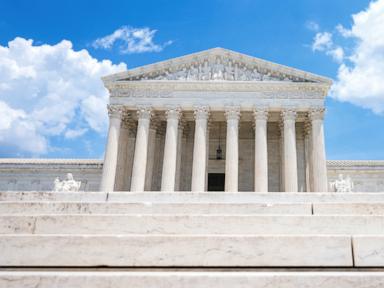
The Supreme Court declined Monday to revive a lawsuit filed by a former Trump campaign aide who was secretly surveilled by the FBI during its investigation into Russian interference in the 2016 presidential election.
The justices did not comment on their decision to let stand a lower court ruling that rejected the suit. The case involved surveillance conducted under the Foreign Intelligence Surveillance Act, which authorizes wiretaps and other monitoring of suspected foreign agents and their contacts.
The unnamed aide challenged the constitutionality of the surveillance, arguing it violated his Fourth Amendment rights against unreasonable searches. A federal appeals court previously rejected this argument, finding that FISA procedures satisfied constitutional requirements even though they differ from the warrant process used in ordinary criminal investigations.
This decision marks a significant defeat for Trump-aligned figures who have challenged the Russia investigation. The former president and his allies have repeatedly characterized the FBI's probe as politically motivated and have sought to discredit its findings through litigation and public commentary.
The Supreme Court's refusal to hear the case suggests the justices saw no compelling constitutional question warranting their review. It preserves the established legal framework permitting FISA surveillance under existing statutory safeguards, despite arguments that post-Trump scrutiny of the Russia investigation has raised new concerns about how the law operates in practice.
The ruling provides a measure of legal protection for intelligence-gathering practices while leaving unresolved broader debates about surveillance oversight and the balance between national security and civil liberties. The decision comes as Trump-allied lawmakers and officials have launched investigations into the origins of the Russia investigation, arguing that it included improper conduct by FBI officials.