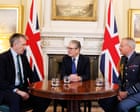
Dan Jarvis has taken over as defence secretary following John Healey's resignation over military funding disputes. Jarvis plans to revisit the controversial Defence Investment Plan, which the previous secretary fought to delay until July after clashing with the Treasury over budget allocations.
Government sources indicate Jarvis will "reprioritise" aspects of the plan and potentially push for additional funding from the Treasury. This represents a shift in approach from Healey, who departed after failing to secure the resources he demanded for the armed forces.
The Defence Investment Plan outlines how Britain will modernize and equip its military over coming years. Healey's resignation signaled deep frustration within the defence establishment over what many viewed as inadequate spending commitments. His departure created uncertainty about whether the Labour government under Keir Starmer would ultimately increase defence budgets or accept Treasury constraints.
Allies close to Jarvis suggest he brings a different negotiating stance to the role. One source indicated that Starmer "can't sack him or let him resign," implying the Prime Minister faces pressure to resolve the funding question or risk further departures from the defence team.
Jarvis' willingness to examine the plan's priorities suggests he may seek compromises that balance military needs against fiscal pressures. Rather than demand wholesale budget increases as Healey did, Jarvis appears positioned to identify specific areas deserving investment while accepting constraints elsewhere.
The timing matters. With the plan delayed until July, Jarvis has runway to reshape the government's defence strategy before formal announcement. His approach could determine whether Britain commits to the military spending levels NATO allies expect from a major European power, or whether budget pressures constrain ambitions.
The succession reveals tensions within Labour's first government in decades. Defence represents a core Labour interest, yet Treasury discipline under the current economic climate creates genuine friction. Jarvis must navigate between military demands and fiscal