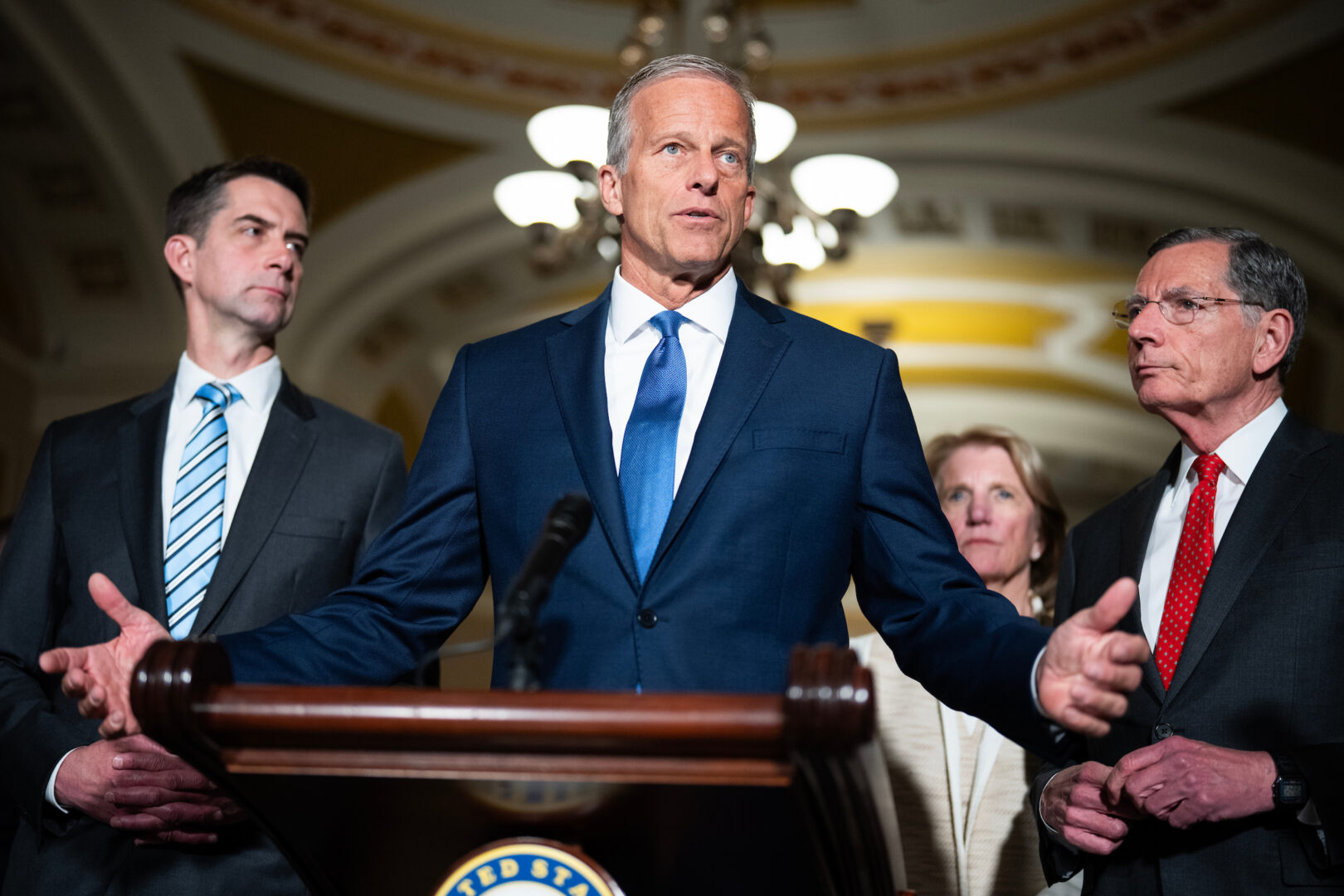
John Thune faces mounting pressure as Senate majority leader while advancing his party's second major budget reconciliation package. The South Dakota Republican has spent the week managing internal party divisions rather than celebrating legislative progress, according to sources close to the negotiations.
Reconciliation bills allow Republicans to pass tax and spending measures with a simple majority, bypassing Democratic filibusters. Thune's success in moving the legislation forward represents a technical achievement for his leadership, but the process revealed fractures within GOP ranks that threaten future legislative priorities.
Thune took over the majority leader position in January 2025, inheriting a slim Republican majority in the Senate. The reconciliation package reflects his effort to deliver on party commitments while managing competing interests among conservatives, moderates, and members focused on different regional concerns.
The complexity of Senate arithmetic haunts Thune's leadership. Republicans control the chamber with a narrow margin, meaning every vote matters. Any defection from three or more GOP senators would kill legislation without Democratic support. This dynamic forces Thune into constant negotiation with colleagues across the ideological spectrum within his party.
Sources indicate that disagreements with the House on specific provisions and pressure from both conservative hardliners and more pragmatic Republicans consumed Thune's attention this week. He must balance demands from across his caucus while maintaining forward momentum on President Trump's legislative agenda.
The second reconciliation bill represents part of a broader Republican strategy to reshape federal spending and tax policy without Democratic input. Success on this measure positions Thune for future budget packages, but the difficulties in moving even this legislation underscore the constraints of his leadership position.
Thune's jaw-rubbing suggests the stress of holding together a fragile coalition. His tenure will be defined by whether he can repeat this performance on subsequent bills, particularly as pressure builds for larger legislative packages in coming months.